When I first started working on Great Barrier Reef for Beginners: Easiest Places to Start, I looked back on all the nervous faces I’ve seen over the years of people setting foot on the Reef for the very first time – the beaming eyes, the slightly wonky reef-safe sunscreen, and that desperate hope they’d catch something truly special without getting seasick. I’ve been showing people around this sun-kissed land for a long, long time – and the Great Barrier Reef has got to be one of the easiest – and most joyful places for a beginner to dip their toes into the amazing world that lies beneath the waves of Australia.
Consider this your go-to, no-BS field guide, with a few tall tales, a cheeky wink, and the sort of travel tips that a seasoned Reef Guide usually saves for the end of a long day, when they’ve finally had a chance to unwind.
Contents
- 1 Getting Your Feet Wet in the Coral: Your First Reef Adventure
- 2 Cairns: A Smooth Sailing Launch Point that’s Raring to Go
- 3 Green Island & Fitzroy Island: Easygoing Getaways for Reef Newbies
- 4 Port Douglas: Laidback Luxury with a Side of Reef
- 5 June & July: The Magic of Minke Whales – A Complete Surprise
- 6 What to Look for in a Beginner-Friendly Reef Tour
- 7 Easy Planning Made Slightly Easier – A Couple of Sample Itineraries
- 8 The Pragmatic Guide for Beginners: Thanks For Noticing
- 9 Last Thoughts Before You Dive In
- 10 FAQ
- 10.1 Do I need to be a top swimmer to make the most of the Reef?
- 10.2 What’s the best time of year for first-timers to visit the Reef?
- 10.3 Is it safe for beginners to see minke whales up close?
- 10.4 What gear should I bring on a Reef trip as a beginner?
- 10.5 Can complete beginners join Great Barrier Reef tours?
Getting Your Feet Wet in the Coral: Your First Reef Adventure
For your first reef adventure, you’re going to want a spot that’s really friendly, with steady conditions, and a reef operator who knows how to keep things fun without getting too reckless. And it doesn’t hurt to have places with coral cays, shallow coral outcrops, and some expert guidance to make the whole experience feel a bit less daunting. You’ll find that operators who include flotation devices, glass-bottom boat options, and a good old-fashioned safety briefing make the whole Reef experience much more approachable, rather than overwhelming.
The Great Barrier Reef is tiny compared to some of the other marine reserves I’ve had the privilege to explore – but don’t let that fool you. Stretching out over a whopping 2,300 kilometres, according to the Australian Institute of Marine Science (AIMS, 2023), it’s still a pretty big deal to get your head around. Choosing where to start is crucial. And that’s where I come in – with decades of experience running trips, working alongside marine biologists, and guiding all sorts of folk around the Reef. I’ve learned a thing or two about where beginners really thrive. You’ll see me mentioning Great Barrier Reef Tours a fair bit throughout – because, let’s face it, heaps of travellers start their Reef adventure with them. But I’m also here to give you the lowdown – straight from the horse’s mouth.
Cairns: A Smooth Sailing Launch Point that’s Raring to Go
Cairns makes for a top-notch spot for beginners because everything just falls into place – the tour operators, the transport, and the sheltered reef sites. You’ll find that travel times are super short, the pontoons are rock solid, and the staff are pros who’ve coached countless nervous snorkellers to calm waters. What’s more, operators in Cairns tend to build confidence first, then gradually nudge you out into deeper water once you’re feeling a bit more at ease.
What Makes Cairns Such a Great Place to Start
- Introductory dives are easy to find
- You’ll find calm sites like Moore Reef and Norman Reef
- There are heaps of glass-bottom boat options for non-swimmers
- Easy pick-up points and pretty predictable weather patterns during the dry season (May to October)
As for Great Barrier Reef trips from Cairns, they often come with the whole shebang – snorkelling, guided marine life spotting, and even helicopter rides for the adventurous types.
Sample Half-Day Itinerary From Cairns
- 7:30 am: Check in and go through the safety drill
- 8:30 am: Head out to the reef pontoon, get some expert coral viewing under your belt
- 10:00 am: First snorkel – with flotation devices to keep you afloat
- 12:00 pm: Lunch and optional chat with one of the marine biologists
- 1:00 pm: Glass-bottom boat time
- 2:30 pm: Head back to Cairns
Green Island & Fitzroy Island: Easygoing Getaways for Reef Newbies
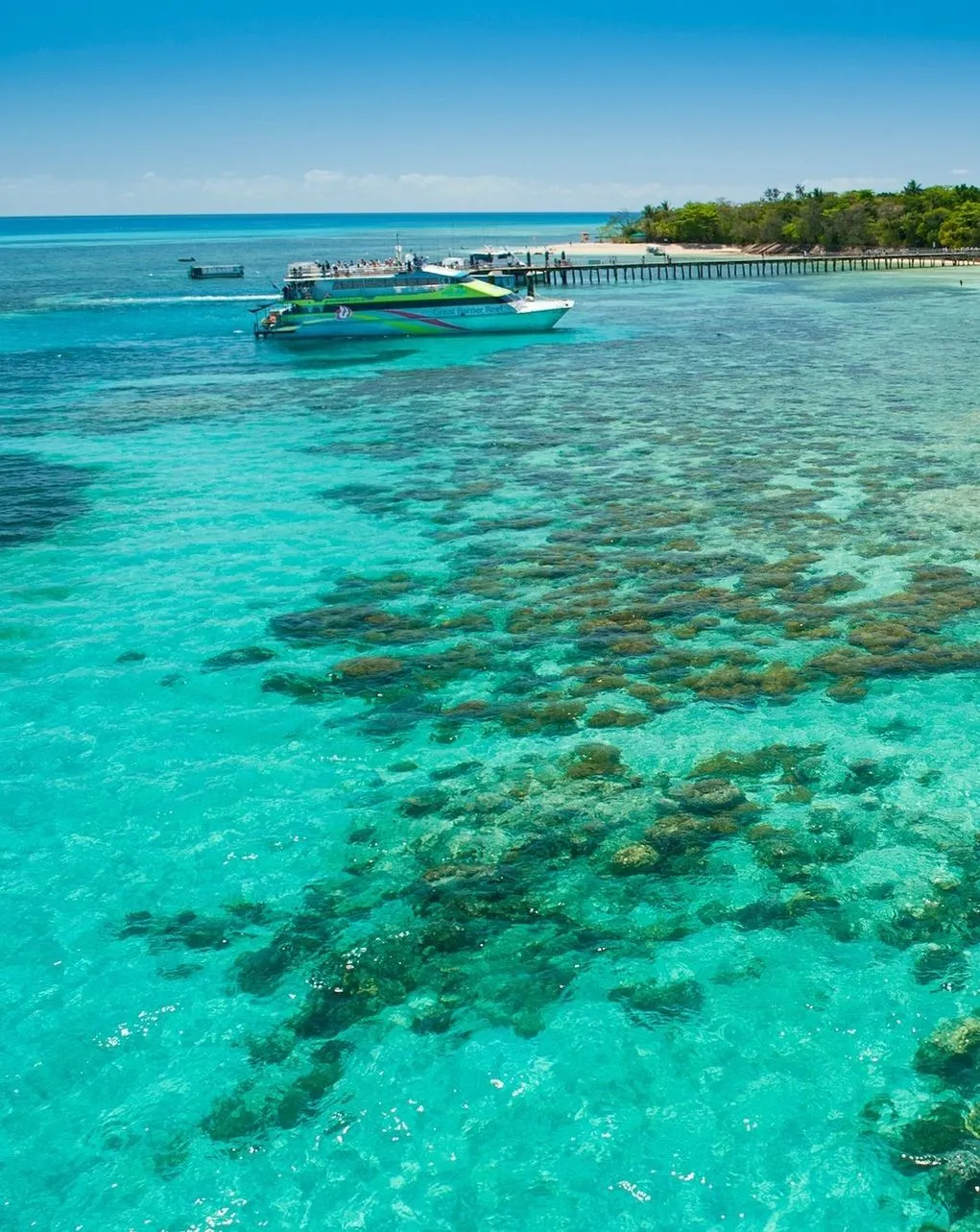
Green Island and Fitzroy Island are just the ticket for those still deciding whether they’re in the snorkel crowd, a water baby or just a person who likes to sip a cold one in the shade while watching the waves roll in. Being close to shore, these coral cays make travel easy, and the water is calm.
Taking a break on dry land between swims does wonders for your energy and keeps your confidence level right where you want it. Plus, you get to avoid the feeling of being way out in the deep ocean, which can be a bit daunting for first-timers.
Why Green Island and Fitzroy are Perfect for the Hesitant
- Water is nice and shallow; its sandy entry points make it a soft landing
- Loads of marine life right there off the beach
- Reef walking tracks and picnic spots to sit back and relax
- Great spots to enjoy the coral without having to go far
I’ve had heaps of travellers come up to me and say that their first “wow I can see the reef” moment was on one of these islands – usually while floating above a green turtle who seemed to enjoy the attention almost as much as they did.
Port Douglas: Laidback Luxury with a Side of Reef
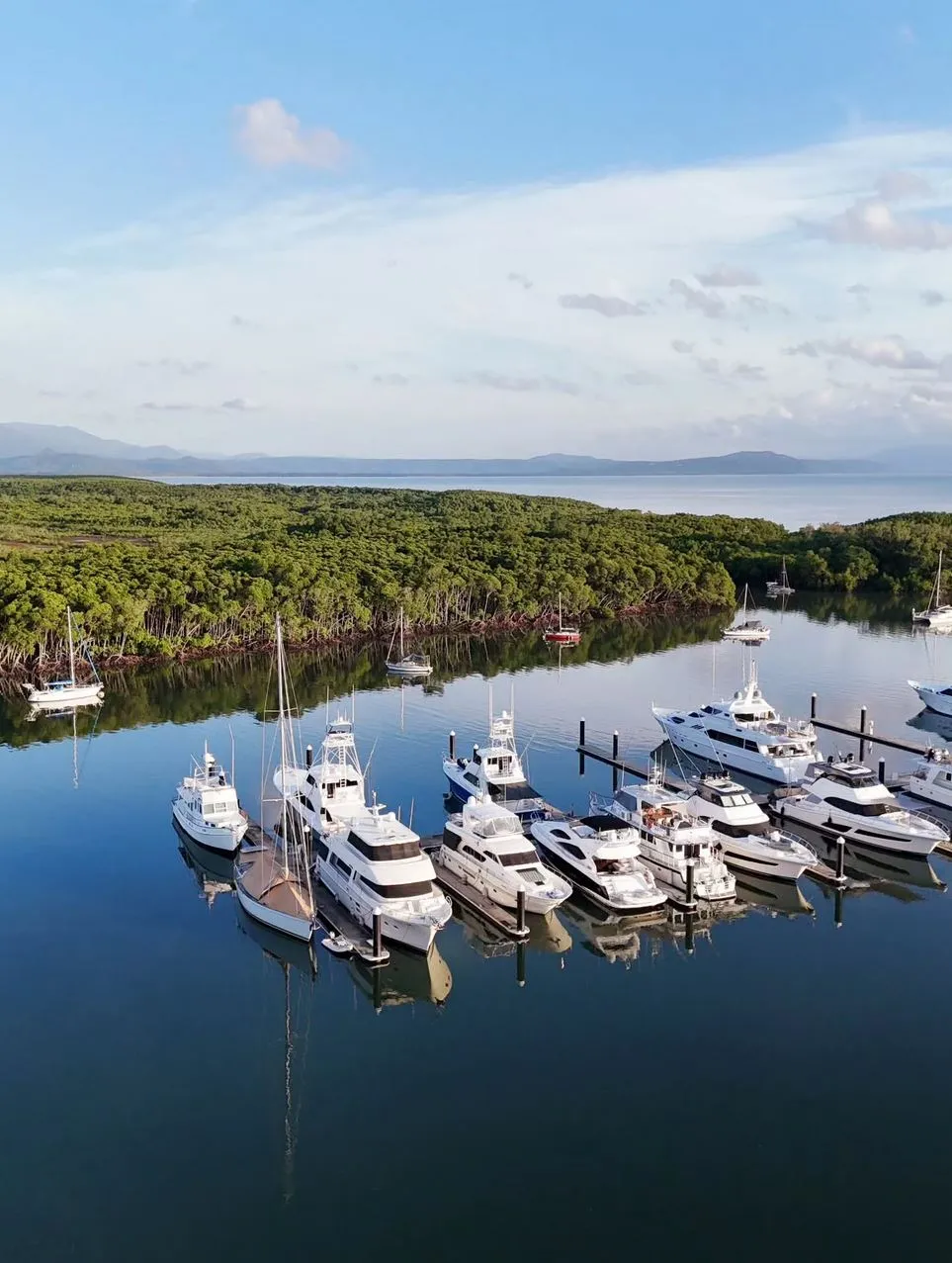
Port Douglas draws people who like a bit of comfort with their reef, you know, without having to rough it too much. You get quieter departure points, more personal trips and guides who take the time to get to know you. Plus, you get to check out the Opal Reef region – known for great conditions and super healthy coral.
Some of the top barrier reef tours from Port Douglas include small group snorkelling coaching, which helps beginners get up to speed quickly. You’ll also find marine biologist-led briefings that explain the reef in a super-friendly way – no stuffy lectures here.
Who It Suits Best
- Smaller boats and a more leisurely approach
- Longer time in the water with expert guidance
- Chats with the marine biologists without all the jargon
- Optional extras like helicopter flights or underwater observatories
June & July: The Magic of Minke Whales – A Complete Surprise
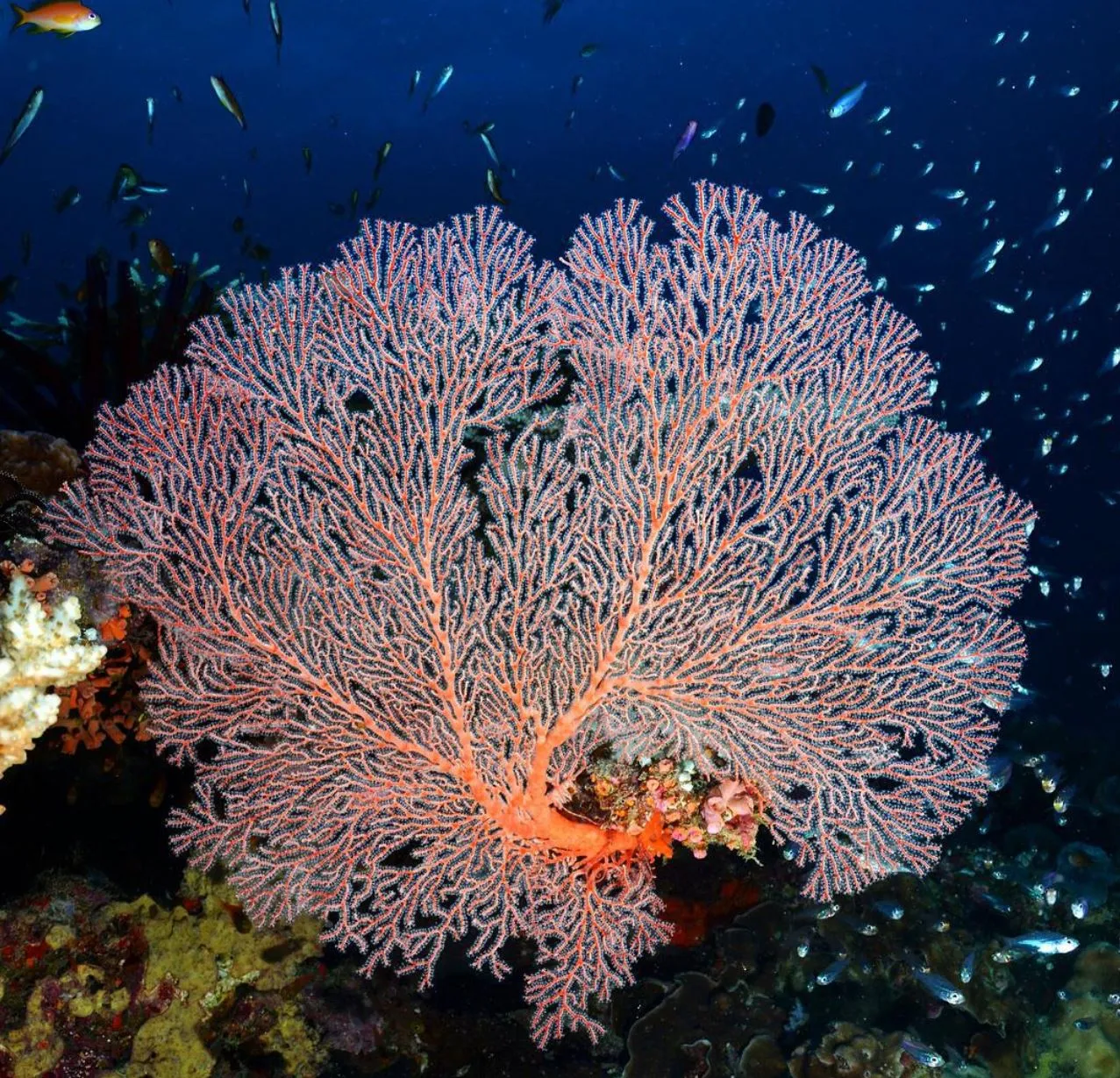
Few beginners know that dwarf minke whales migrate through the northern reef in June and July. You get to see something pretty quiet considering how big the animal is – minkes just glide past with real curiosity.
Specialist operators go out of their way to keep things safe and controlled, which is ideal for beginners who just want to see the wildlife without all the chaos. The steady ropes in the water make you feel safe even if your heart’s racing.
Key Details for Whale Enthusiasts
- Only a handful of permits, so it stays pretty quiet in the water
- Surface only interactions – great for swimmers, not so much for divers
- We operate in the Ribbon Reefs just north of Cairns
- A marine biologist is usually on hand to fill in the gaps
“Great Barrier Reef Tours sometimes run multi-day trips during minke season,” is something I say to travellers all the time – and it’s a top way to boost confidence in the water.
What to Look for in a Beginner-Friendly Reef Tour
Not all reef tours are created equal – especially when it comes to welcoming newcomers. What you’re really looking for is a team that puts your safety first, speaks to you in plain English, and doesn’t push you into anything that feels overwhelming. You’ll also want to avoid boats with awkward entry points, ensure there’s some shade to escape the sun, and make sure the life jackets don’t look like they’ve seen better days.
Key features to look out for in a beginner-friendly operator
- A solid safety briefing – nothing too technical, but enough to know you’re in good hands
- Staff who stick around with you in the water – they can help you work out what’s going on
- A marine biologist to keep an eye on the reef and share some of their knowledge
- Glass-bottom boat trips so you can still see the coral without getting in the water
- Reef-safe sunscreen on hand so you can protect both yourself and the environment
Here’s a simple table I often use to help first-time reef-goers get their bearings for a great day out.
Beginner-Friendly Reef Operator Checklist
| Feature | Why It Matters for Beginners |
|---|---|
| Flotation devices | Keeps energy levels high and nerves low |
| Glass-bottom boat | Provides Coral viewing without pressure to swim |
| Onboard Reef Guides | Offers real-time support and marine life ID |
| Marine biologist briefing | Helps you understand what you’re seeing |
| Shaded deck space | Reduces heat stress in the sunburnt country |
| Simple ladder entry | Makes exiting the water far less awkward |
Easy Planning Made Slightly Easier – A Couple of Sample Itineraries
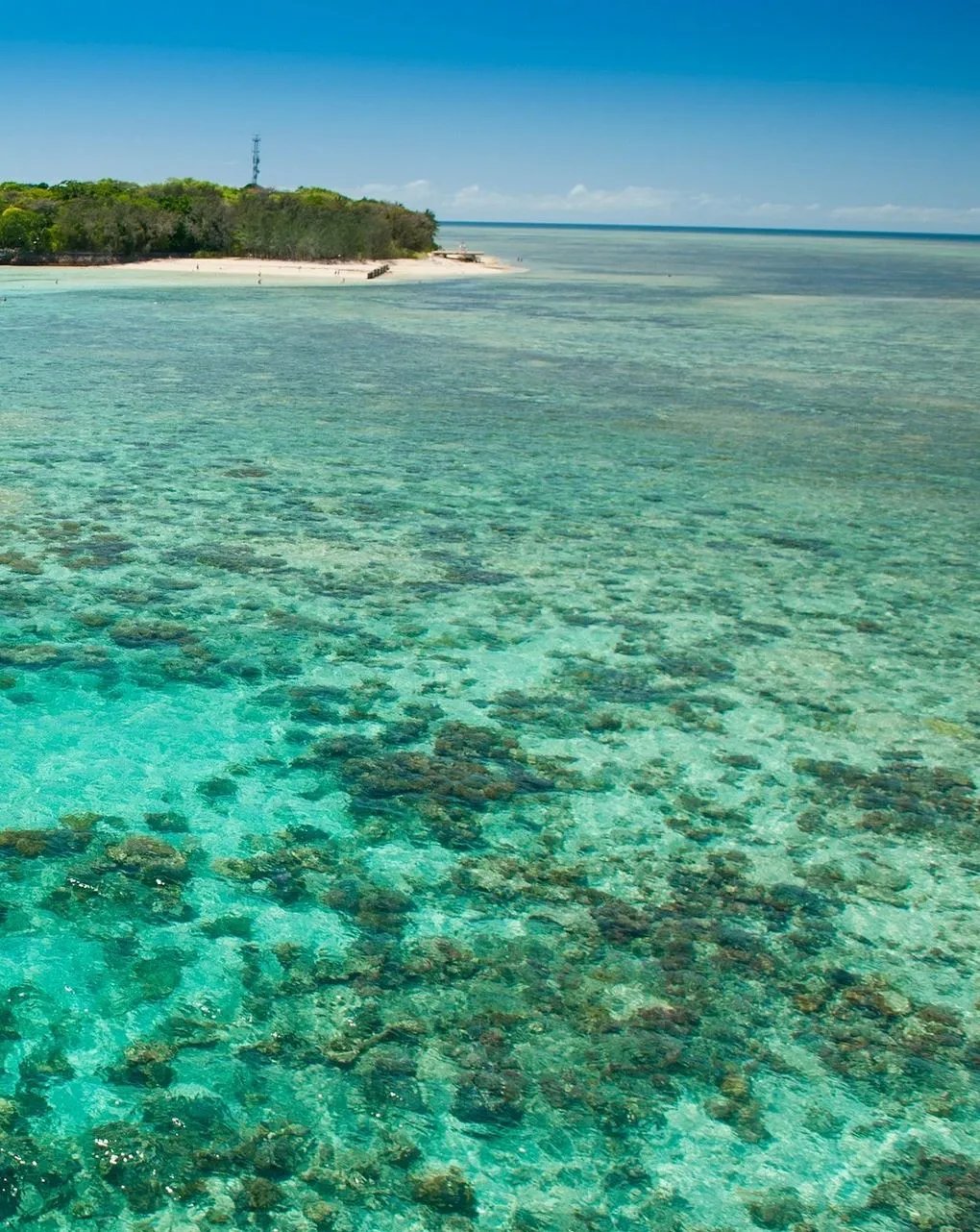
Shorter trips definitely have their appeal – they calm the nerves & take the stress out of planning – but let’s be honest, longer getaways offer a much more relaxed vibe. Perfect for beginners who need a bit of breathing room to take it all in.
Option 1: A Quick Getaway (Cairns)
- Depart Cairns at 8 am sharp
- Moor up at Moore Reef by 9:15
- Snorkel trip, guided by the pros at 10 am
- Get your marine biology facts at 11:30
- Lunchtime – grab a bite from 12 to 1
- Then it’s glass-bottom boat time at 1 pm
- Get back to dry land by 2 pm
Option 2: Take Your Time (Port Douglas)
- Depart the marina at 8:30
- First snorkel at 10 am on Opal Reef
- Grab a bite to eat & get some coral viewing in during lunch at 12 pm
- Second snorkel from 1:30
- If you’re feeling fancy, get a bird’s eye view from a helicopter at 3 pm
- Head back to shore by 4 pm
Some people don’t want to limit themselves to just a day trip, but I get that, which is why I sometimes recommend checking out a post on how to plan multi-day Reef circuits.
The Pragmatic Guide for Beginners: Thanks For Noticing
- Make sure to chuck in a long-sleeved rashie – trust me, you’ll thank me for it.
- Don’t even think about skipping that safety briefing – it’s way more important than you think.
- Stick with reef-safe sunscreen, or you’ll end up cooking your skin off and damaging the coral to boot.
- Sip on some water non-stop – the tropical sun is no joke
- And for goodness’ sake, give yourself some time to get used to the motion of the boat before you start flailing about
My travel guides have all this covered. You might think you remember it all, but trust me, you can easily forget one thing – and before you know it, you’re lobster-red, parched or just generally having a disaster on the high seas.
Last Thoughts Before You Dive In
You’re stepping into one of the world’s most incredible marine ecosystems, and we want to ensure newcomers feel as comfortable as possible. Getting the right spot, conditions, and operator can turn those pre-dive jitters into excitement in no time. And let me tell you, the Reef is a real treasure trove – the more you learn, the more you’ll get out of it.
If you’re after some top tips for planning your first Reef day, just give me a shout. I’d be stoked to share some of my latest field notes or point you in the direction of some great Barrier Reef Tours that are perfect for beginners. And if you’ve got a yarn about your own first snorkelling adventure, come on – we’re all learning here.
FAQ
Do I need to be a top swimmer to make the most of the Reef?
Not at all – many operators specialise in helping beginners, with flotation gear, glass-bottom boat tours, and calm spots to start with.
What’s the best time of year for first-timers to visit the Reef?
The dry season (May to October) is generally the pick – the sea’s calmer and the water’s clearer, which makes it perfect for people who are a bit nervous in the water.
Is it safe for beginners to see minke whales up close?
Absolutely – these are surface encounters, with strict rules and a trained crew to keep everyone safe, and quite often a marine biologist along for the ride too.
What gear should I bring on a Reef trip as a beginner?
A rashie, some reef-safe sunscreen, a water bottle, a towel and any seasickness meds you’ve found that work for you.
Can complete beginners join Great Barrier Reef tours?
No worries – heaps of the great barrier reef tours are set up with newbies in mind, with guided sessions, briefings and easy entry points.