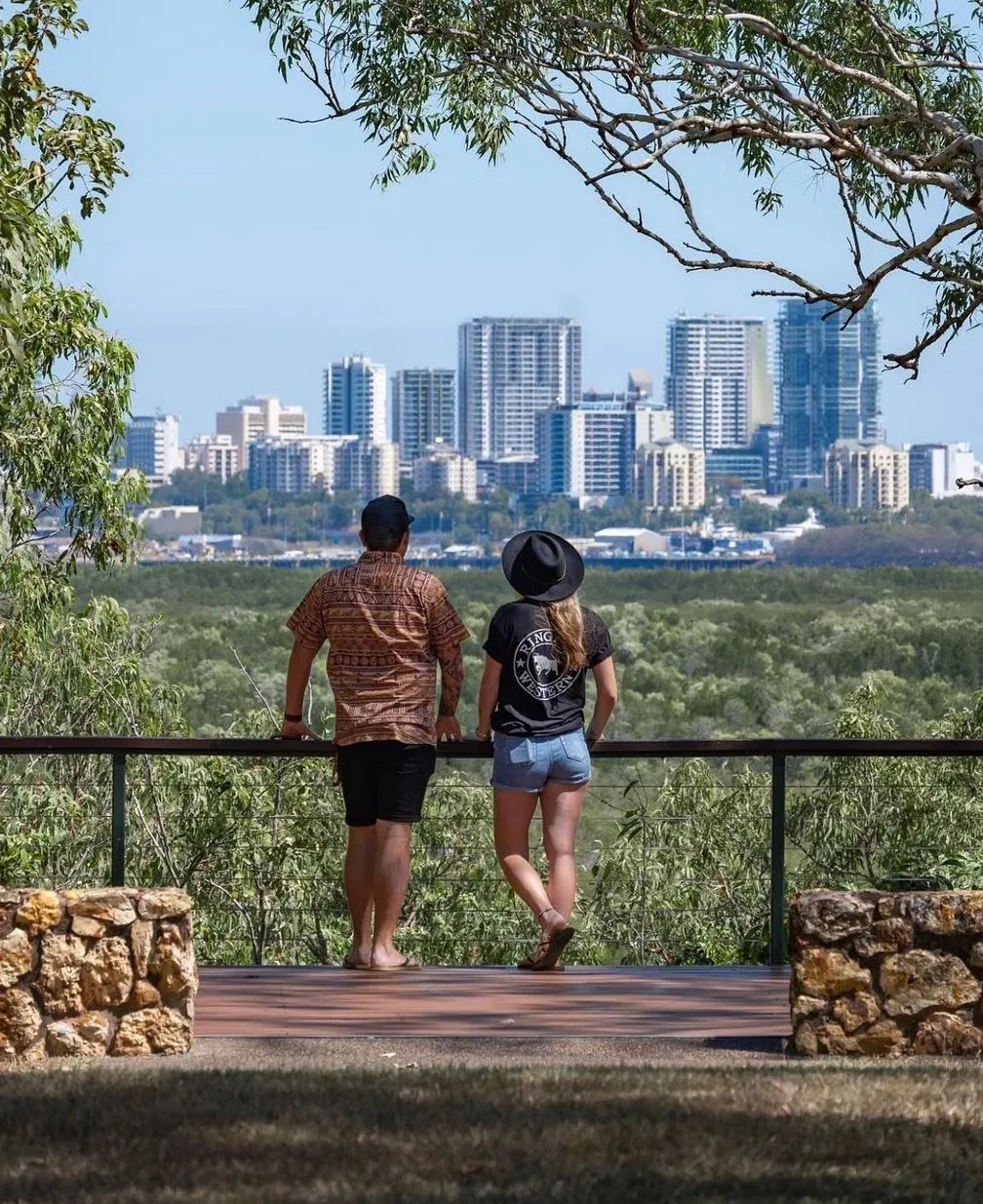
So what else is worth doing in Darwin, apart from that incredible Jumping Crocodile Cruise experience? I get asked this all the time – usually when people are still buzzing from stepping off a boat onto the Adelaide River, the adrenaline still pumping from watching those wild crocodiles snap their jaws shut out of the water. I’m Paul Beames, and after years of leading tour groups all over Darwin and the Top End, I can tell you that straight out: a Jumping Crocodile Cruise is an unforgettable intro, but that’s only just the beginning.
A Jumping Crocodile Cruise from Darwin is a real showstopper – it shows you the raw power and ancient hunting skills of these incredible creatures in action. But stick around for longer, and you’ll get to see a whole different side to Darwin – local swimming holes that people in the know trust, food that’s shaped by migration and wartime history, and the scars that still show on the cliffs. And then there are the wildlife encounters you get when you’re least expecting them.
Contents
- 1 A City Shaped by Water, Weather, and Wildlife
- 2 Swimming Spots Locals Actually Use (And Why Croc-Wise Matters)
- 3 Litchfield National Park: Waterfalls Without the Long Haul
- 4 Eating Your Way Through Darwin’s Varied City Centre
- 5 Park up by the Water and Spot Some Local Wildlife
- 6 Dry Season vs Wet Season: What Actually Changes
- 7 A Practical 3 Day Plan after your Croc Cruise
- 8 Final Takeaway: The Crocs Are Just the Start
- 9 FAQ
- 10
A City Shaped by Water, Weather, and Wildlife
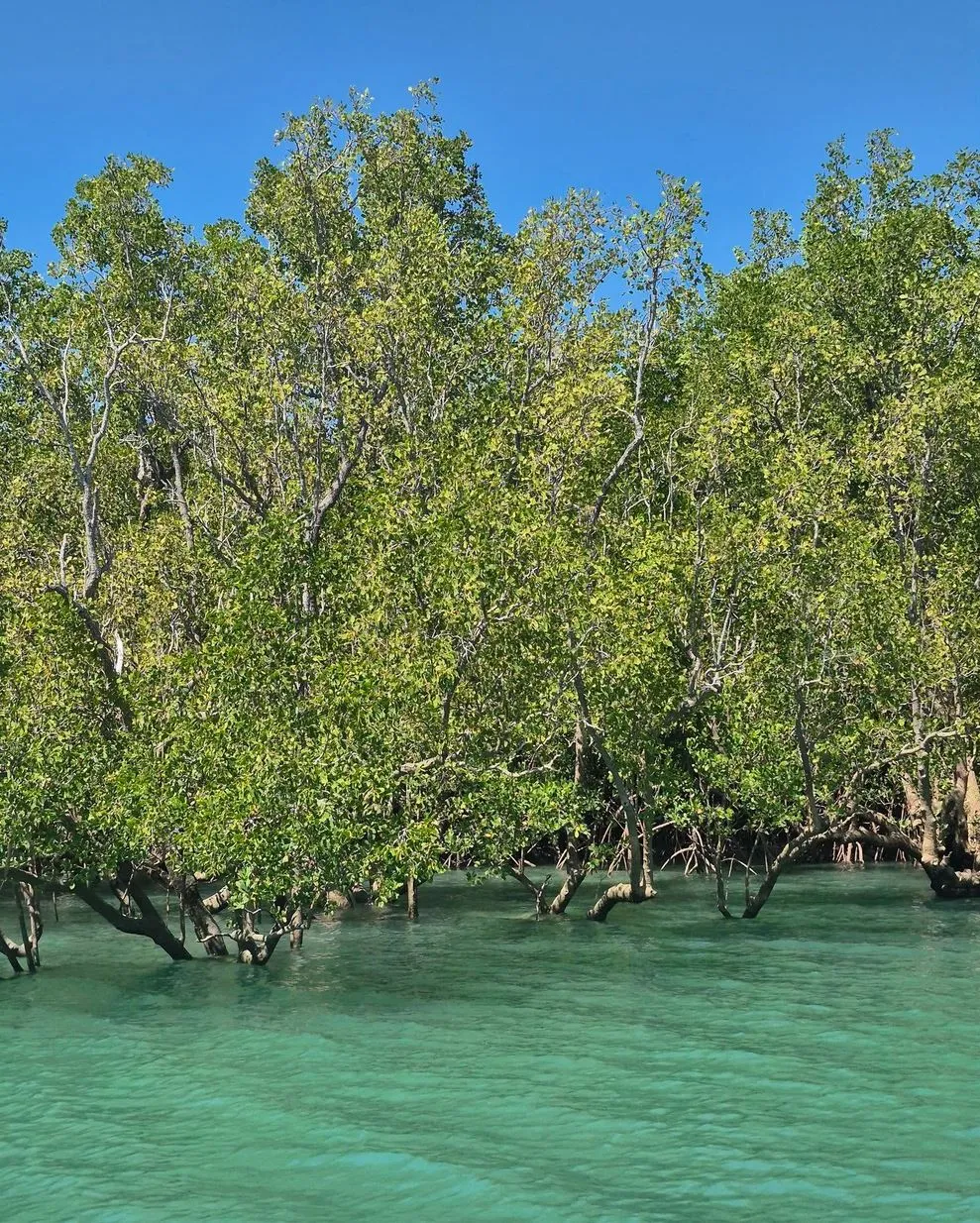
Darwin doesn’t pretend to be a perfect, manicured place. Instead, it just sits there, squeezed between tidal rivers, mangrove swamps and a vast open coastline, bending to nature’s rules rather than trying to fight them. That’s why getting to know this place is just as important as ticking off all the main attractions.
This is a city where Australian wildlife is literally just down the street. Bull sharks and crocodiles swim in the same river systems, ancient fish like the big old sawfish and the elusive speartooth shark still make their way through the remote waterways, and black fruit bats swarm across the sky at sunset. You might not always catch a glimpse of them – but you can feel their presence all the time.
Swimming Spots Locals Actually Use (And Why Croc-Wise Matters)
After a Jumping Crocodile Cruise, it’s suddenly hit home for most travellers why Darwin takes swimming rules so very seriously – because the truth is, those signs and fences aren’t a Guarantee they’re not going anywhere just because it’s quiet for now.
Safe Places to Cool Off Around Darwin
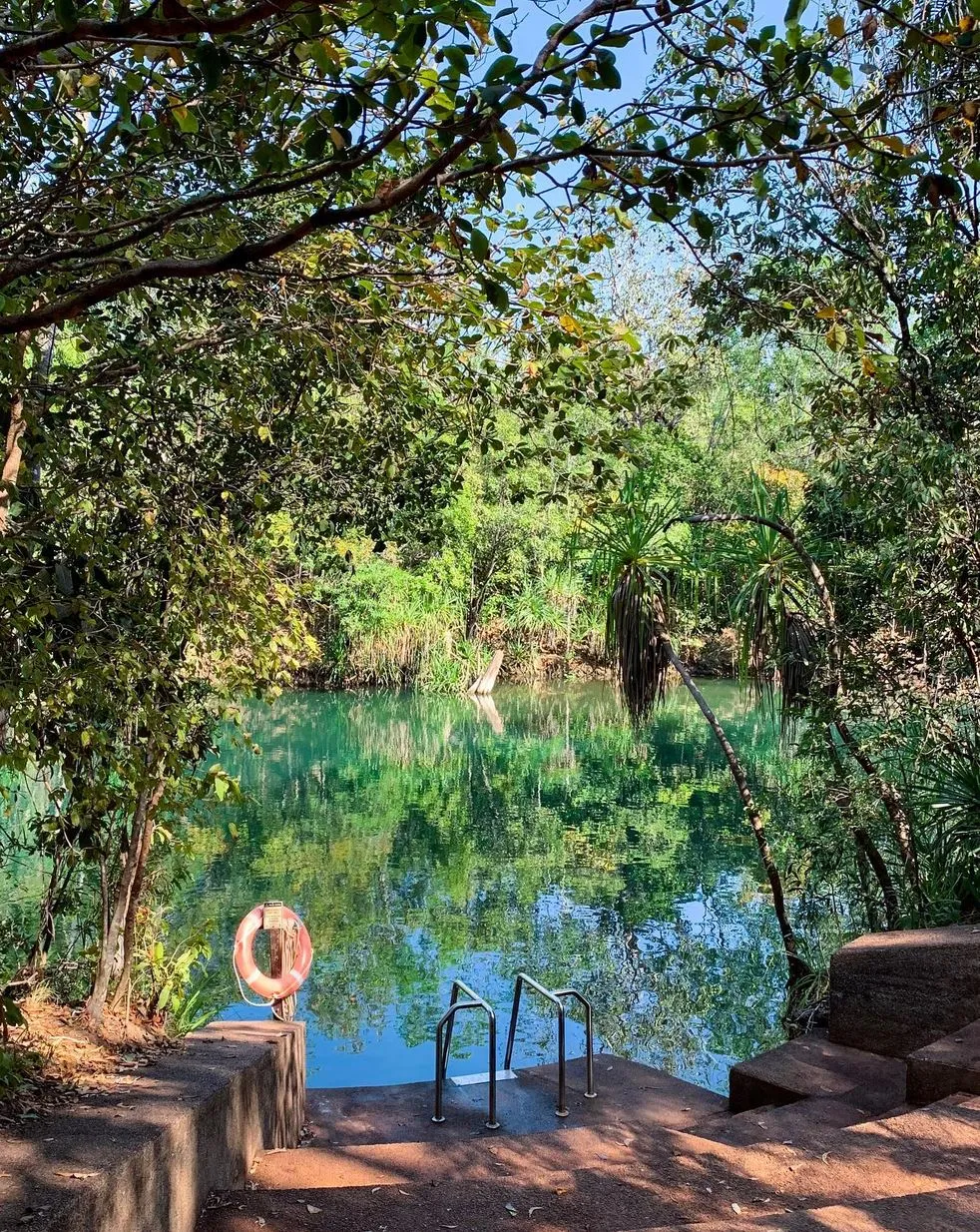
These places are looked after, managed by locals and pretty much well-known in the community:
- Berry Springs Nature Park – Pretty clear water here, and some of the natural plunge pools are as real as it gets.
- Darwin Waterfront Lagoon – It’s a saltwater spot, but it’s got fences, lifeguards and all the works.
- Nightcliff Rockpool – This spot is ocean-fed and enclosed, making it perfect for a sunset dip.
- Rapid Creek (stick to the areas clearly marked as safe): First, always check the signage before you enter.
Every single wildlife expert you’ll meet around here will tell you the same thing: if it’s not clearly marked as a safe spot, don’t even think about getting in. Doing a Jumping Crocodile Cruise up here always makes that rule feel like a whole lot more than just a rule.
Litchfield National Park: Waterfalls Without the Long Haul
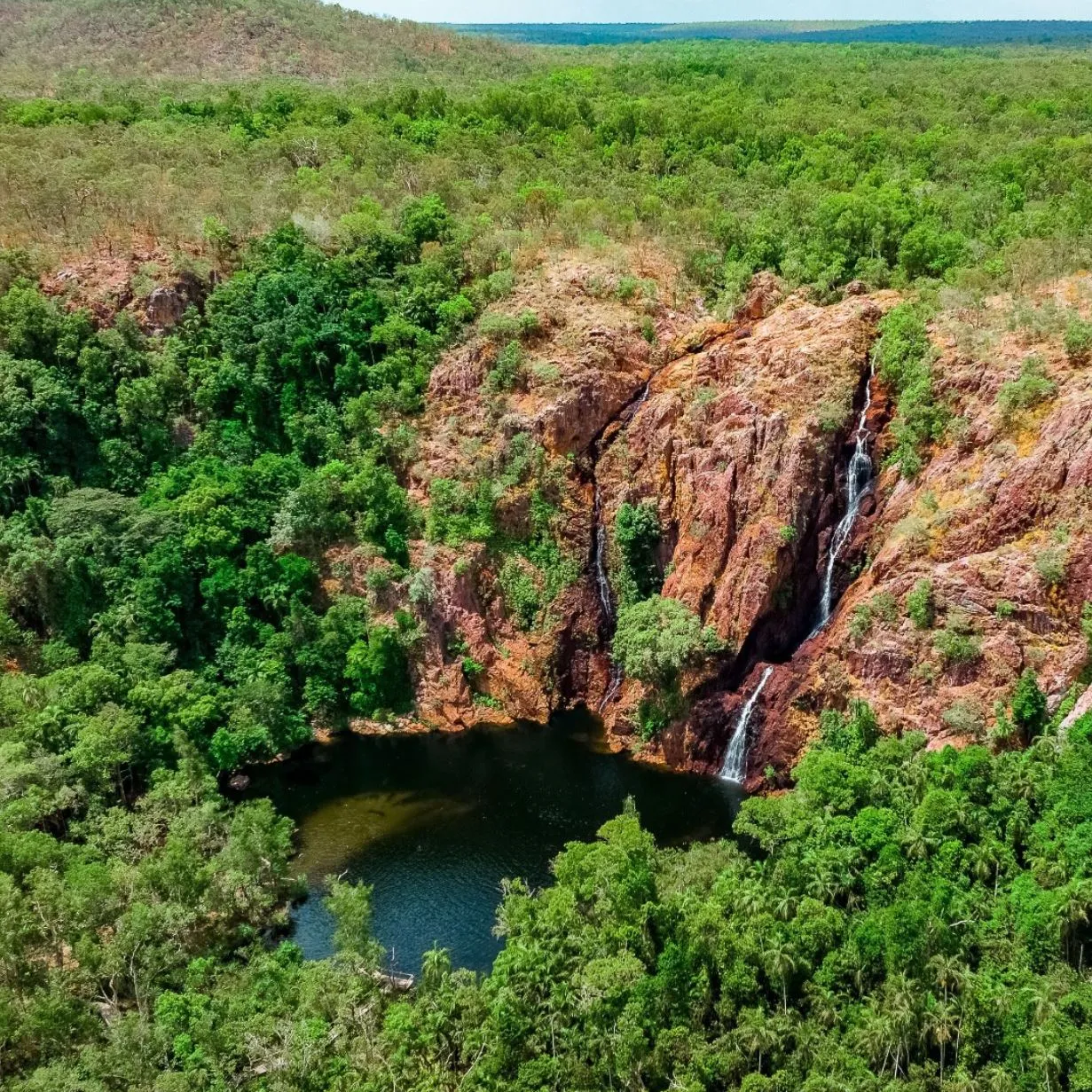
Just 90 minutes from Darwin, Litchfield National Park offers the Kakadu experience without the hassle of long drives or permit requirements.
The Reliable Falls of the Dry Season
- Florence Falls – the water’s constantly flowing, and there’s a deep swimming spot to cool off.
- Wangi Falls – big plunge pool, usually open all year round.
- Buley Rockhole – a series of rock pools stacked on top of one another – be careful, though, it can get pretty slippery.
- Tolmer Falls – just a lookout, but it’s imposing after a good downpour
As a driver guide out here in the outback, I constantly hammer this into people: check the road before you head out, bring some water, and don’t be in such a rush. Litchfield looks like a piece of cake, but just a slight change in the weather or a few too many tourists, and it’s a whole different story.
Eating Your Way Through Darwin’s Varied City Centre
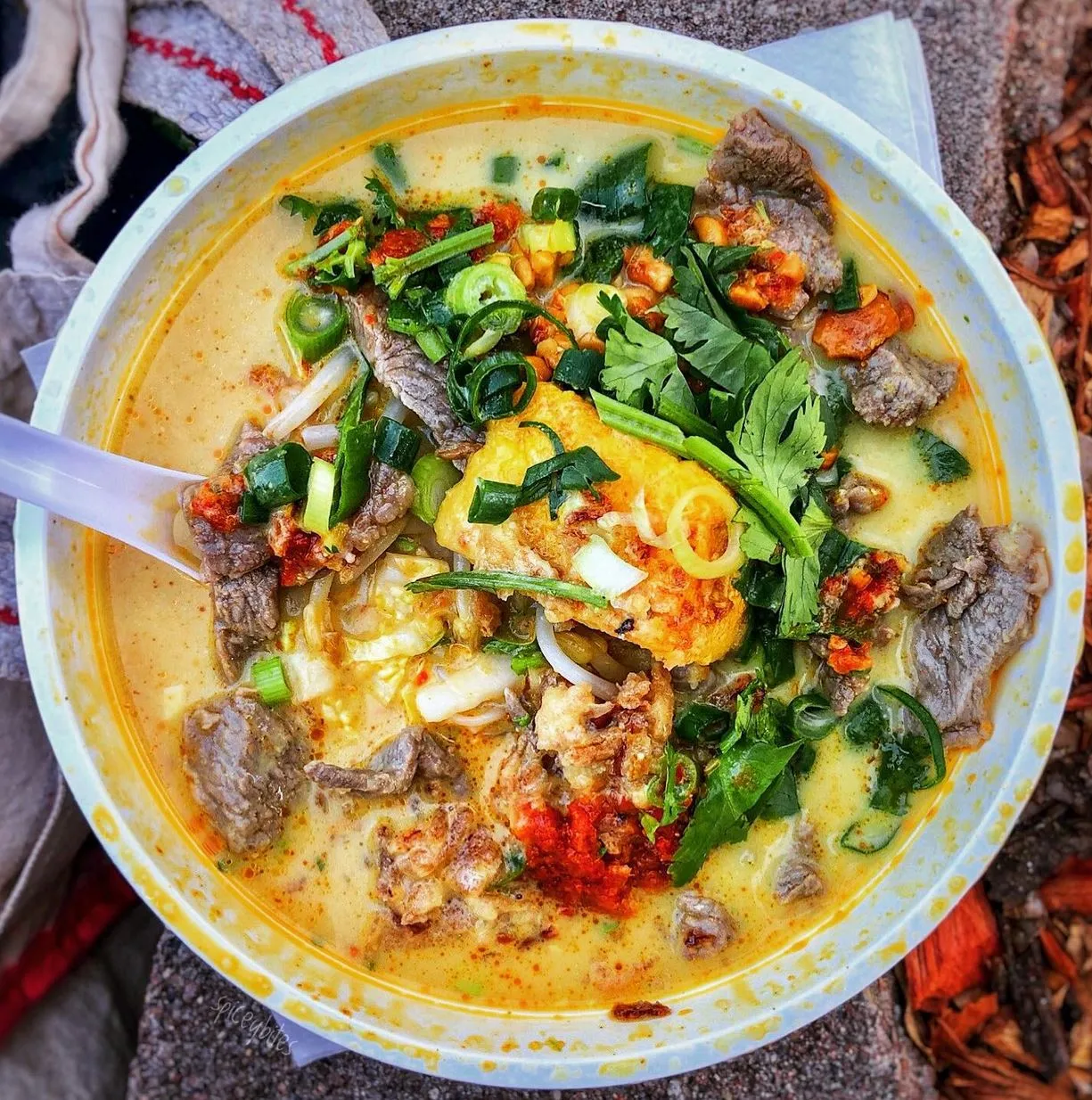
Most folk book a Jumping Crocodile Cruise from Darwin on day one, but they soon find themselves ravenous and feeling pretty toasted by dinner time. Fortunately, that’s when Darwin’s food scene kicks in, saving the day.
Where Locals and Guides Actually Head Out For a Feed
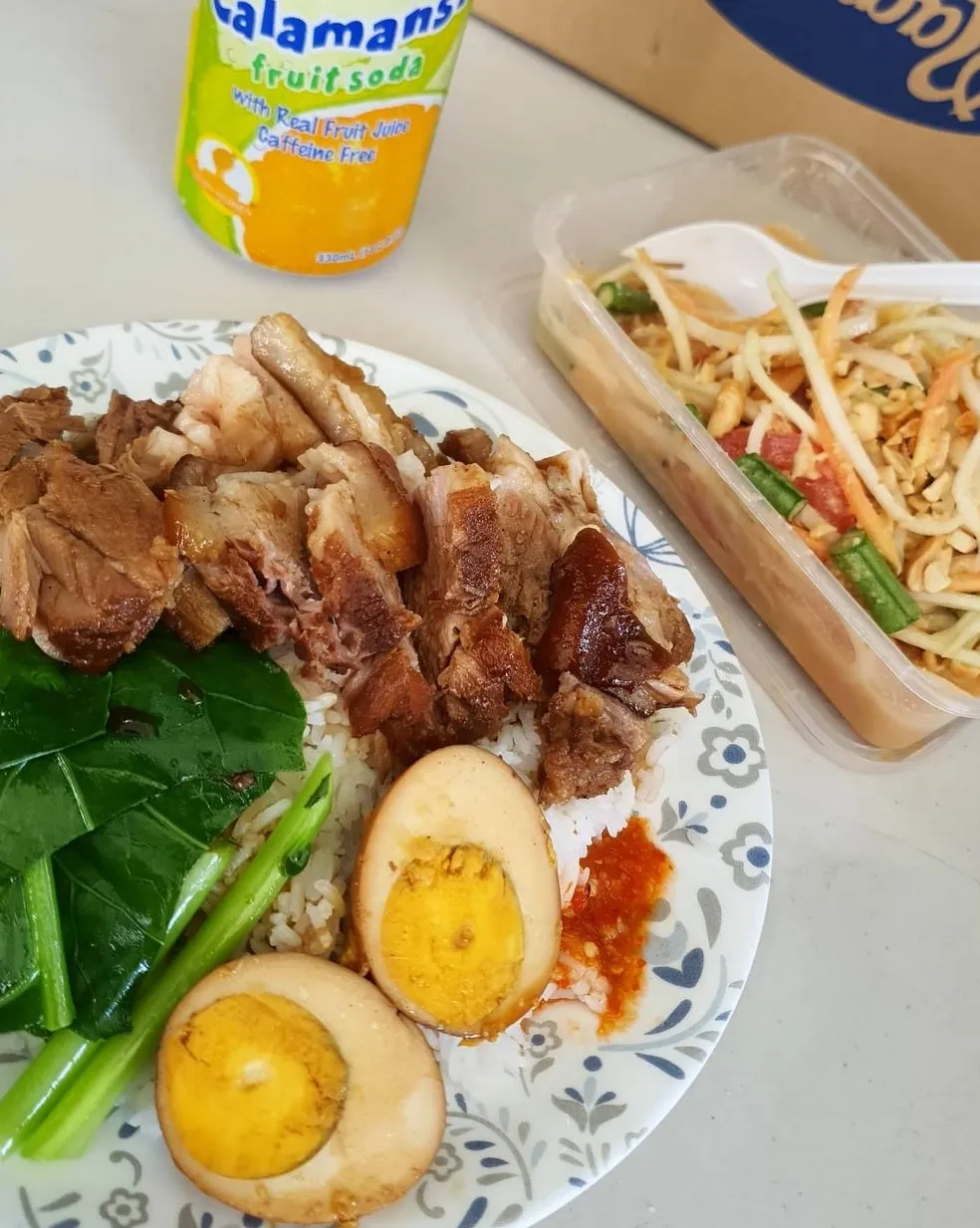
- Mindil Beach Sunset Market – great street food, epic sunsets and lively tunes
- Parap Markets – the legendary laksa here is almost worth the queues that form
- Rapid Creek markets – laksa is good around here, and it’s also got a pretty nice bird watching spot right next door
- Nightcliff Foreshore – you’ll find decent casual eats and a lovely sea breeze to boot
According to Tourism NT (2024) statistics, over 65% of people living in Darwin are born overseas, which is why the food here has such a strong international flavour without being overdone.
Park up by the Water and Spot Some Local Wildlife
Darwin is a wildlife gem that flies under the radar – and you don’t need a pair of binoculars or a guidebook to spot its amazing animals – just be patient.
What You’re Most Likely To See
Darwin got hit by bombs more than 60 times during World War II – a record that still stands as Australia’s most bombed city. History isnt just lines in a book, it’s scattered all over the place.
Places That Give A Sense Of What It Was Really Like
- The Darwin WWII oil storage tunnels – I mean, these were built to keep the city supplied even under attack
- The East Point Military Museum – it’s got some seriously cool exhibits
- The Darwin Military Museum – it’s an eye-opener, let me tell you
- Fannie Bay Gaol – very eerie place
Many visitors are saying this part of the trip has a greater impact than they expected. And believe me, after you’ve been up close with proper saltwater crocs on the Jumping Crocodile Cruise, that history starts hitting home in a big way. You begin to get a real sense of just how much grit and determination Darwin has had to draw on to keep going all these years.
Dry Season vs Wet Season: What Actually Changes
| Season | Months | Conditions | Traveller Reality |
|---|---|---|---|
| Dry | May–Sept | Mild humidity | Best access, busiest |
| Build-Up | Oct–Nov | Intense heat | Fewer crowds |
| Wet | Dec–April | Heavy rain | Road closures, roaring waterfalls |
Tourism Research Australia warned in 2023 that approximately 80% of visitors to the Northern Territory arrive during the dry season and that anyone planning to visit the Northern Territory has to be prepared to be flexible – the wet season is a real spectacle and can be quite overpowering.
A Practical 3 Day Plan after your Croc Cruise
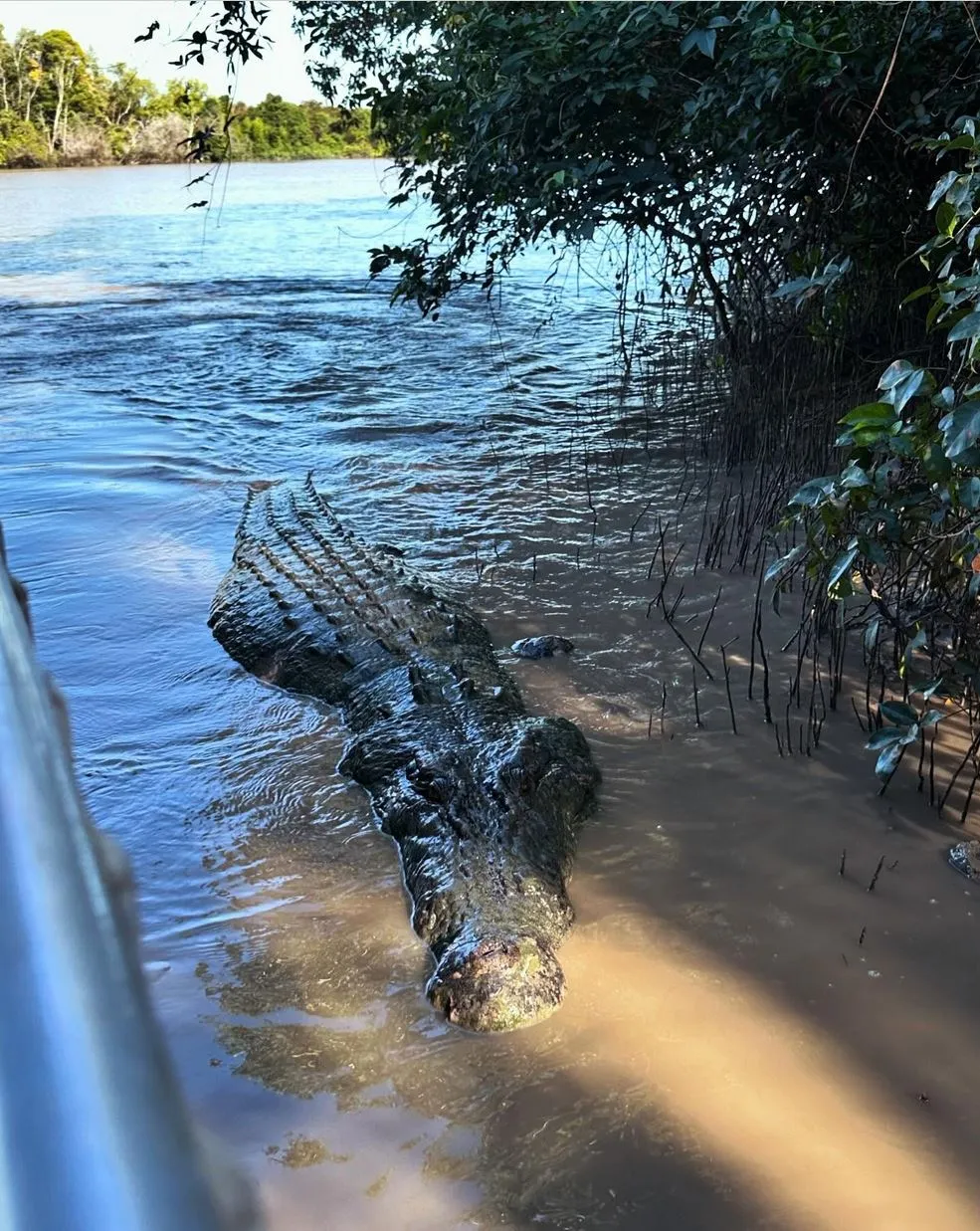
Loads of folks will use a Jumping Crocodile Cruise from Darwin as their anchor experience, & here’s a rough idea of what to add to it to make the most of your time in the NT.
- Day 1 Start with a Jumping Crocodile Cruise from Darwin, then head to the WWII Tunnels (you won’t want to miss them) & finally to Mindil Markets.
- Day 2 Litchfield National Park takes centre stage – the natural plunge pools are worth checking out & after that, head to Nightcliff Rockpool to finish off the day.
- Day 3 Berry Springs is next up → grab a lunch at Rapid Creek → then finish off the day with a leisurely East Point walk.
Good balance. Heat levels are in mind. ( not a lot of wasted kilometres on this one )
Final Takeaway: The Crocs Are Just the Start
A Jumping Crocodile Cruise delivers a real adrenaline rush, some fantastic education on the wildlife around you & a healthy dose of respect for the river rulers – the crocs. But once that boat chugs back to the dock, the real Darwin experience is waiting – the safe swims, the slow sunsets, those totally unexpected wildlife encounters & conversations you’ll remember for a lifetime. If you need help putting this all together into a larger Northern Territory loop, my team at Get Lost Travel Group offers small-group tours designed by people who know the real NT. Or take this guide & just explore your own way – just don’t forget to be croc-wise ( that’s very important ).
FAQ
Is the Jumping Crocodile Cruise suitable for 1st timers?
A Jumping Crocodile Cruise from Darwin is one of the best ways for first-time visitors to acclimatise to the wildlife & the Top End’s safety realities.
Are crocodile cruises the only way to safely spot crocs?
Not the only option, but it is the most controlled approach. Outside of guided tours, you might know that crocs are around but rarely visible, which is precisely why it’s so important to be cautious.
Can you swim in waterholes near Darwin?
Only in designated safe locations. The natural plunge pools are monitored and closed as soon as the conditions change.
Is Darwin worth it for wildlife without leaving town?
Totally – if you know where to look there’s loads of birdlife, bats, reptiles & marine species visible daily.
Do I need a guide to explore the NT?
Not necessarily – a good outback driver guide or some solid local advice can save you heaps of time, fuel & reduce the amount of mistakes you make.