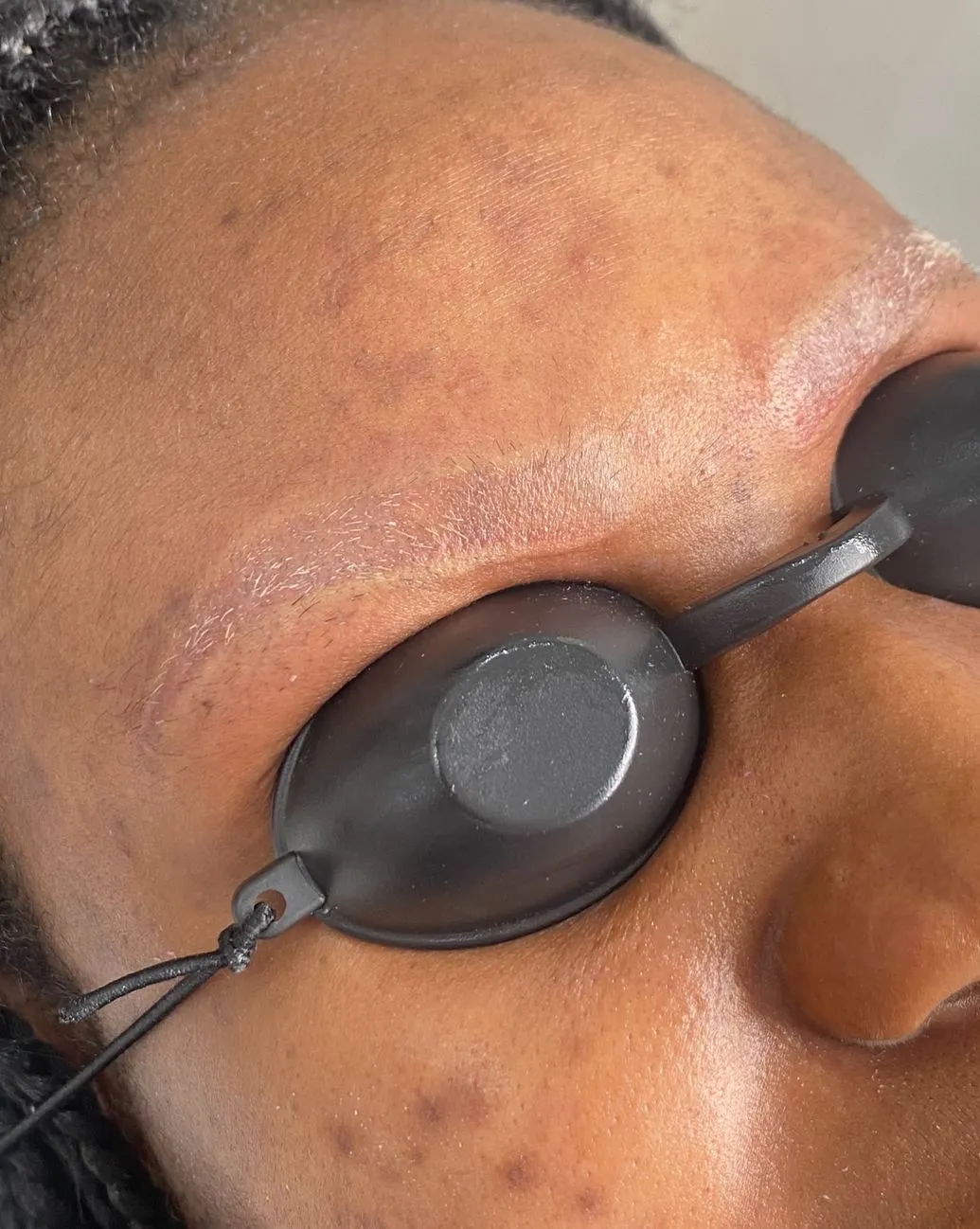
Let’s be real — if you’ve had a brow tattoo go too dark, too warm or just too wrong, the first thing you want to know is how long it takes to heal after brow tattoo removal. At Cosmetic Tattoo Studio Melbourne Face Figurati, we see it all: from botched microblading jobs to clients who simply changed their minds. Whatever the reason, healing is key.
I’m Olha Po, a licensed cosmetic tattoo artist in Melbourne since 2016. I’ve worked with hundreds of clients through the removal process, and if there’s one thing I can tell you: patience and proper aftercare are just as important as the laser itself.
Contents
- 1 Why Remove Brow Tattoos
- 2 What Actually Happens During Removal?
- 3 Healing After Tattoo Removal: The First Week
- 4 How Long Does It Actually Take To Heal?
- 5 What Aftercare Should You Follow?
- 6 Can You Speed Up the Healing Process?
- 7 Is Scarring Common After Removal?
- 8 Real Client Example: Jade’s Brow Correction Journey
- 9 Give Your Skin Time — It’s Worth It
- 10 FAQ
Why Remove Brow Tattoos
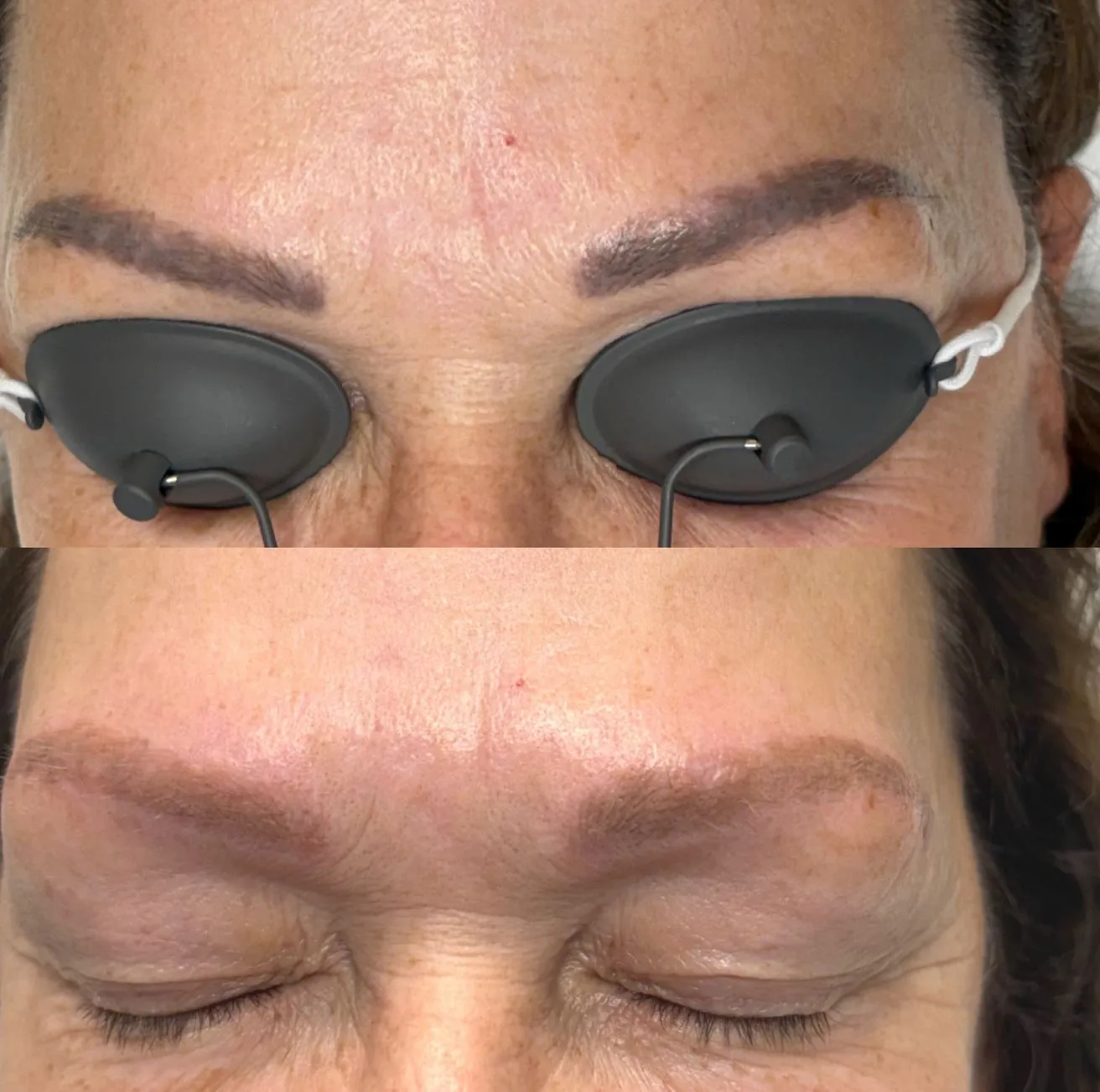
Just because it’s permanent doesn’t mean it’s perfect forever. While cosmetic tattoos are designed to fade, not every pigment goes quietly. Some brows heal too dark, shift to weird shades over time or blur into thick blocks. I’ve seen plenty of Melbourne clients come in with cool-toned blue-grey brows or pigment migration that no amount of makeup can fix.
Removal isn’t just about aesthetics either. Some clients are allergic to tattoo ink or have older pigment that interferes with modern shaping techniques. Others just want a clean canvas after years of wearing the same style.
At Cosmetic Tattoo Studio Melbourne Face Figurati, we often see clients who’ve gone to less experienced providers and now need corrective tattoo removal to restore natural brow symmetry.
What Actually Happens During Removal?
You’re not erasing — you’re extracting and it takes precision. At Face Figurati, I use a non-laser saline solution technique. It works by opening the skin and lifting pigment particles out through the surface using osmosis. Compared to laser tattoo removal (which can turn iron-oxide pigments darker), saline removal is safer for cosmetic tattoo removal especially around the eyes.
Each session takes around 30-60 minutes. Most clients need between 2-6 removal sessions depending on the depth of tattoo ink, skin healing speed and individual reactions which vary person to person.
Whether you’re opting for saline or laser, it’s important to choose a reputable tattoo removal clinic like Cosmetic Tattoo Studio Melbourne Face Figurati — because the technique, hygiene and product quality all impact your long term results.
Healing After Tattoo Removal: The First Week
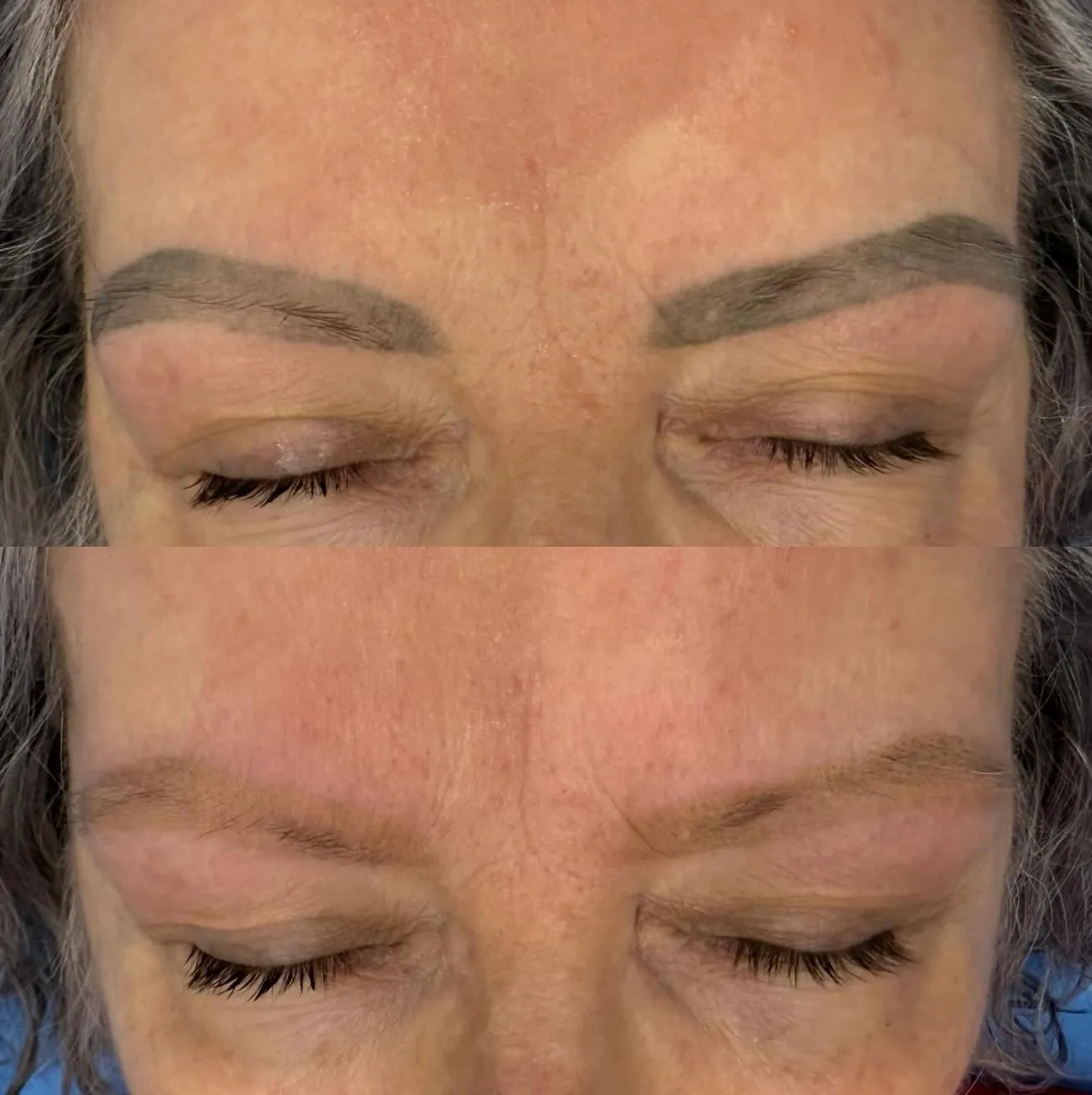
Expect flaking, scabbing and a bit of a brow “ugly duckling” phase. Your skin’s first response is inflammation — so mild redness, pinpoint bleeding, and swelling are completely normal within the first 24 hours. Tiny scabs will form as the pigment and lymphatic fluids rise to the surface. Don’t pick (I know it’s tempting) because it risks scarring and reintroducing pigment.
| Day | What to Expect |
|---|---|
| 1–2 | Redness, slight swelling, mild tenderness, pinpoint bleeding possible |
| 3–5 | Scabbing starts, brows may feel tight or itchy |
| 6–7 | Scabs begin to flake off naturally |
This week, after treatment, is the most important part of the healing process. Dry healing is best. That means no excessive sweating, saunas, swimming, sun exposure or applying makeup directly to the area. Keep it clean and hands off.
How Long Does It Actually Take To Heal?
Your skin doesn’t clock out after a week — deeper healing is still happening. Even once the scabs have fallen off, your skin is still in recovery mode. Collagen remodelling and cellular regeneration can take 4-8 weeks depending on your skin type, age and lifestyle.
Most of my Melbourne clients say their skin feels back to normal after 4 weeks, but complete dermal healing (especially if you’re planning another laser tattoo removal session or saline removal) can take up to 8 weeks.
- Skin type: Sensitive or mature skin heals more slowly
- Depth of original tattoo: Deeply embedded cosmetic tattoo pigment takes longer to remove
- Aftercare compliance: Picking, excessive sun exposure or poor hygiene increases your risk of scabbing and prolongs healing
- Health and habits: Smoking, alcohol and poor diet can all affect your recovery process
What Aftercare Should You Follow?
Follow through is everything — sloppy aftercare leads to setbacks.
- Blot excess lymph fluid with a clean tissue during the first 2 hours
- Avoid touching or wetting the brows for at least 48 hours
- Apply a gentle, barrier-healing ointment only if instructed — usually an antibiotic cream, hydrocortisone cream or antibacterial cream
- No active skincare (acids, retinol) near the area for 10+ days
- No workouts, laser treatment or steam for a full week
- Let scabs fall off naturally
- Use SPF daily once the skin has closed — UV exposure is a big risk factor for scarring and pigment issues
Can You Speed Up the Healing Process?
Support your body — don’t try to hack biology. While you can’t force your skin to heal overnight, you can support the process with a few smart habits:
- Stay hydrated (water, not just coffee!)
- Eat nutrient-dense foods rich in zinc and vitamin C
- Get plenty of sleep
- Avoid alcohol and smoking for at least a week
Some clients also love using LED light therapy or skin revitalisation facials to accelerate cell repair — I offer it as an add-on treatment here in the studio.
Is Scarring Common After Removal?
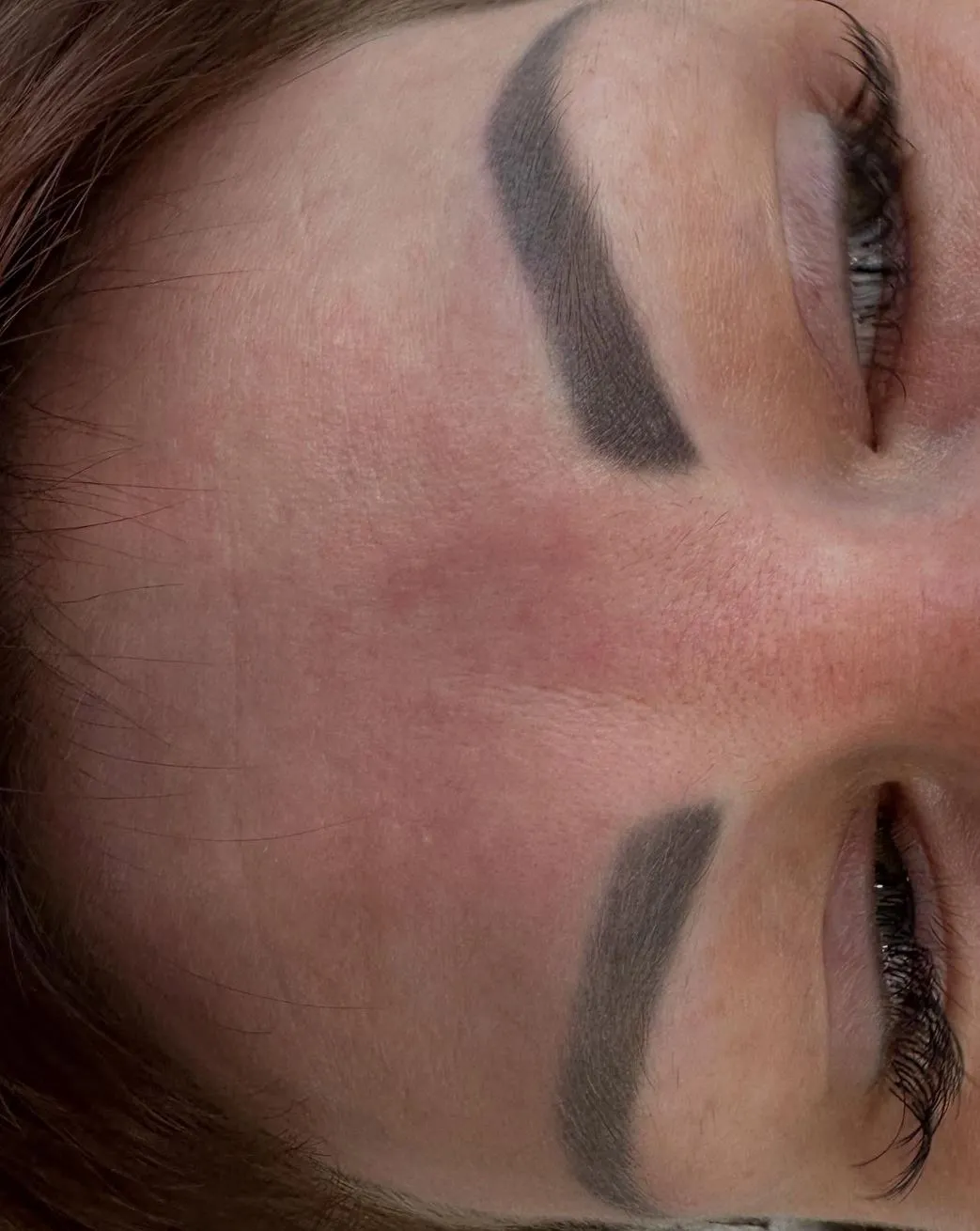
Only when things go wrong — and that’s avoidable in experienced hands. With proper aftercare instructions, the risk of scarring is low. Most of the clients I treat at Face Figurati heal with smooth, even skin. But if pigment was implanted too deeply, or you pick the scabs, you increase the risk.
That’s why I always stress: choose a certified removal specialist. Eyebrow tattoo removal isn’t something you want to gamble with at a cut-price tattoo removal clinic.
Real Client Example: Jade’s Brow Correction Journey
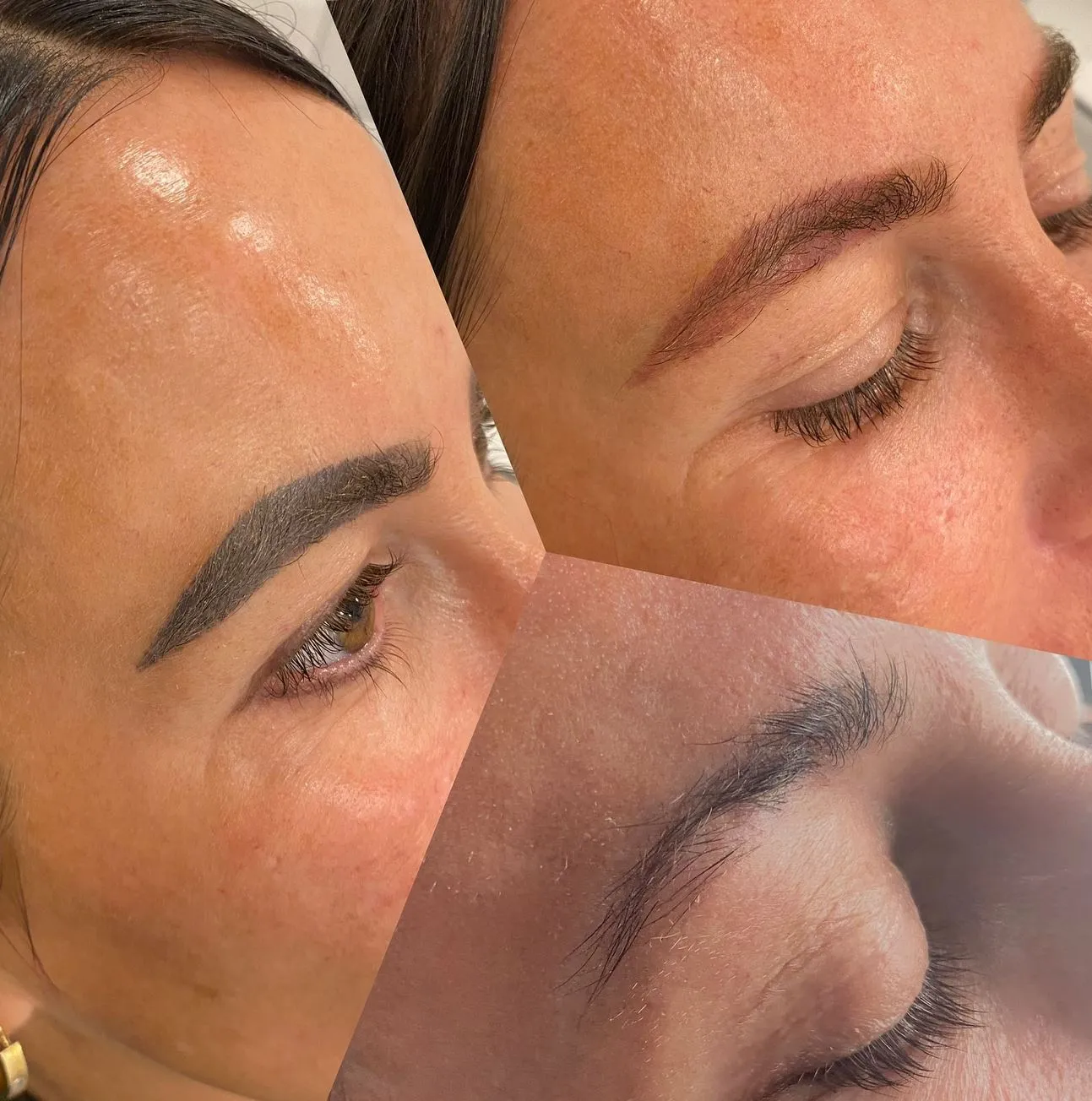
From botched block brows to smooth, natural skin, Jade came to Face Figurati with saturated brows from an old semi-permanent makeup treatment done overseas. The pigment had turned almost charcoal black and spread slightly outside the natural brow shape. We did four saline removal sessions spaced 8 weeks apart. She followed every aftercare step to a T, and today her brows are back to a soft, natural state — no scarring, no ghost lines.
She’s now booked in for a feather-touch brow redo with a custom tone suited to her complexion.
Give Your Skin Time — It’s Worth It
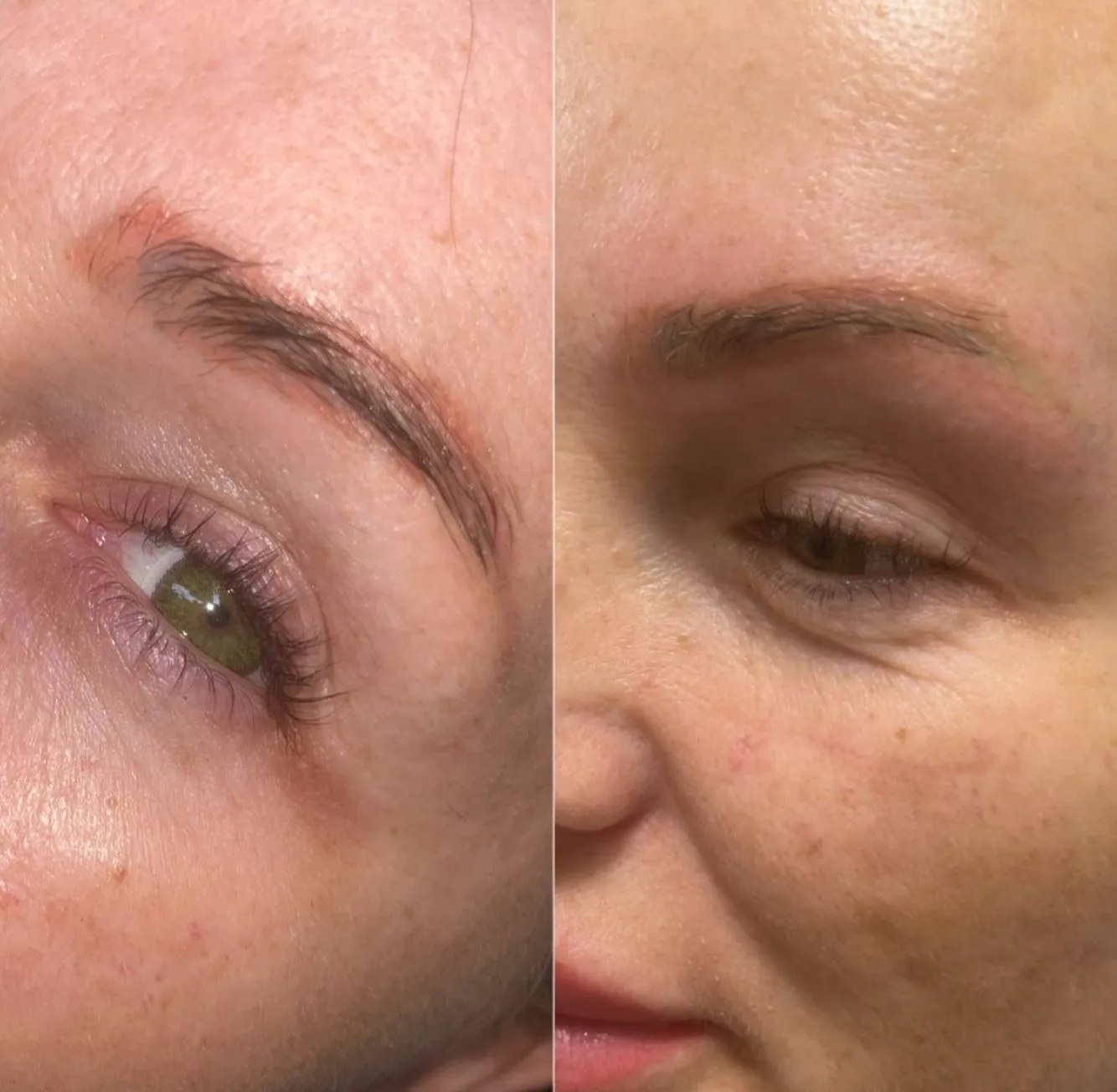
Eyebrow tattoo removal isn’t a one-and-done process, and that’s actually a good thing. Slow, safe healing means better results, healthier skin, and a clean canvas for future work. If you’re wondering how long it takes to heal after eyebrow tattoo removal? — give it a solid 4–8 weeks per session.
Still unsure about your brows or need guidance on where to start? Reach out to me at Cosmetic Tattoo Studio Melbourne Face Figurati — I’m always happy to chat.
FAQ
Can I get new brows tattooed right after removal?
No, you’ll need to wait at least 8 weeks to let your skin fully heal and be ready for new pigment.
Is laser faster than saline removal?
Not necessarily. A laser removal specialist may fade ink quickly in a laser tattoo removal session, but it can cause pigment darkening and more trauma. Saline is slower but gentler on facial skin.
What if I only need one session?
That’s possible! If the pigment is light or shallow, one laser or saline session may be enough. I always assess first before building a treatment plan.
Does removal hurt?
Most clients say it’s scratchy or stinging. I use a numbing cream and a cooling system to make it as comfortable as possible.
Will my brows grow back after removal?
Yes — the hair follicles aren’t usually affected, especially with non-laser cosmetic tattoo removal. If anything, clients often notice better growth once the area is cleared of pigment and trauma.