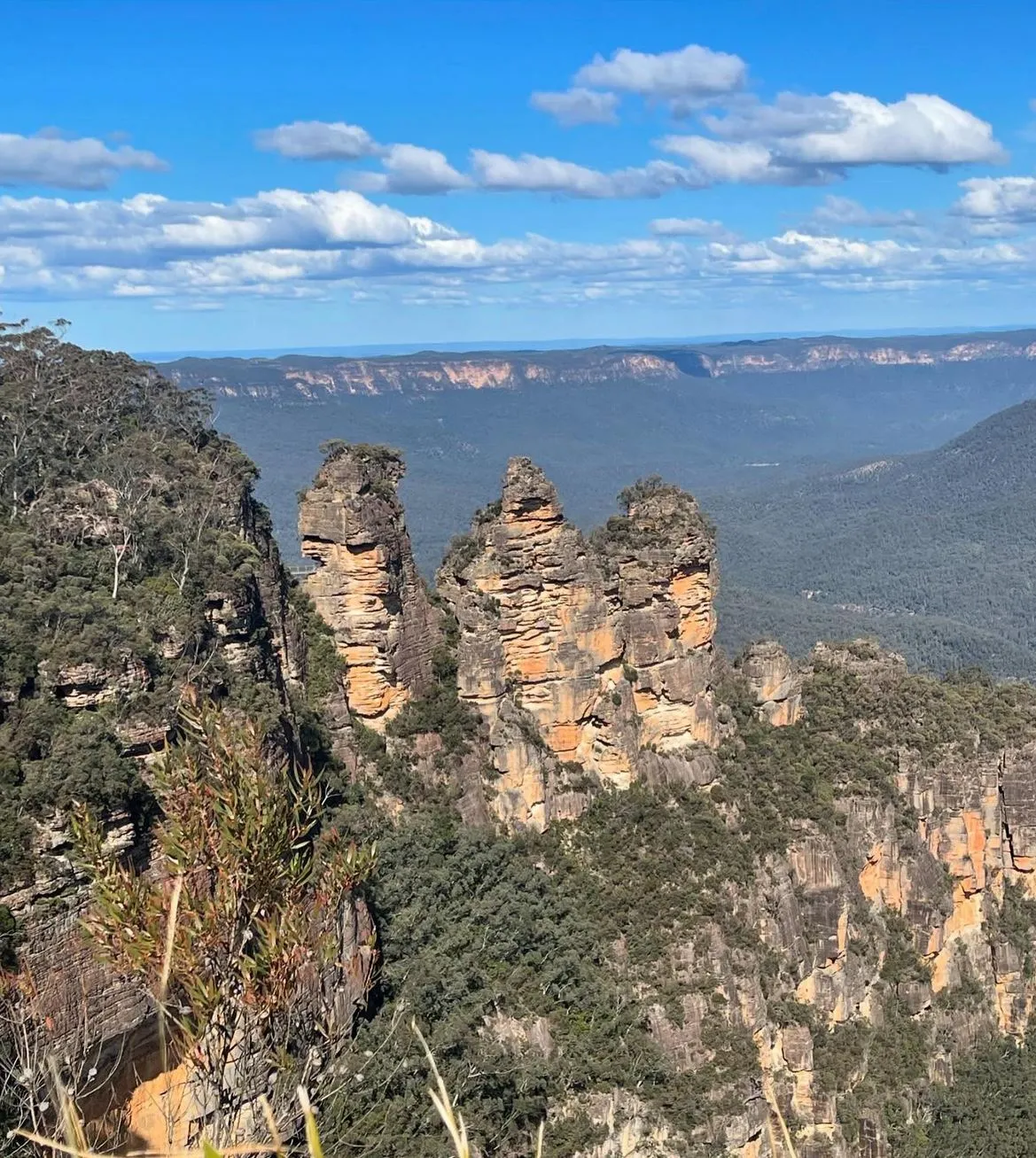
What Are Some Less Touristy Walks With Great Views in the Blue Mountains? That’s the question I get asked every second week from people looking for quiet tracks and lookouts without the selfie crowds. I’m Paul Beames — and after years leading groups through the valleys and escarpments west of Sydney, I know which trails still offer solitude, strong legs and views that reward the climb without the chaos.
Most people head to Echo Point for the Three Sisters, take a photo and head back to Katoomba for coffee. Fair enough — it’s a beauty. But if you’ve got the time and a decent pair of boots, there are other ridgelines and waterfalls worth the effort — trails that still feel wild. Below are some of my favourite lesser-known walks where the Blue Mountains’ real magic still hides in plain sight.
Contents
Where the Locals Go, Not the Tour Buses
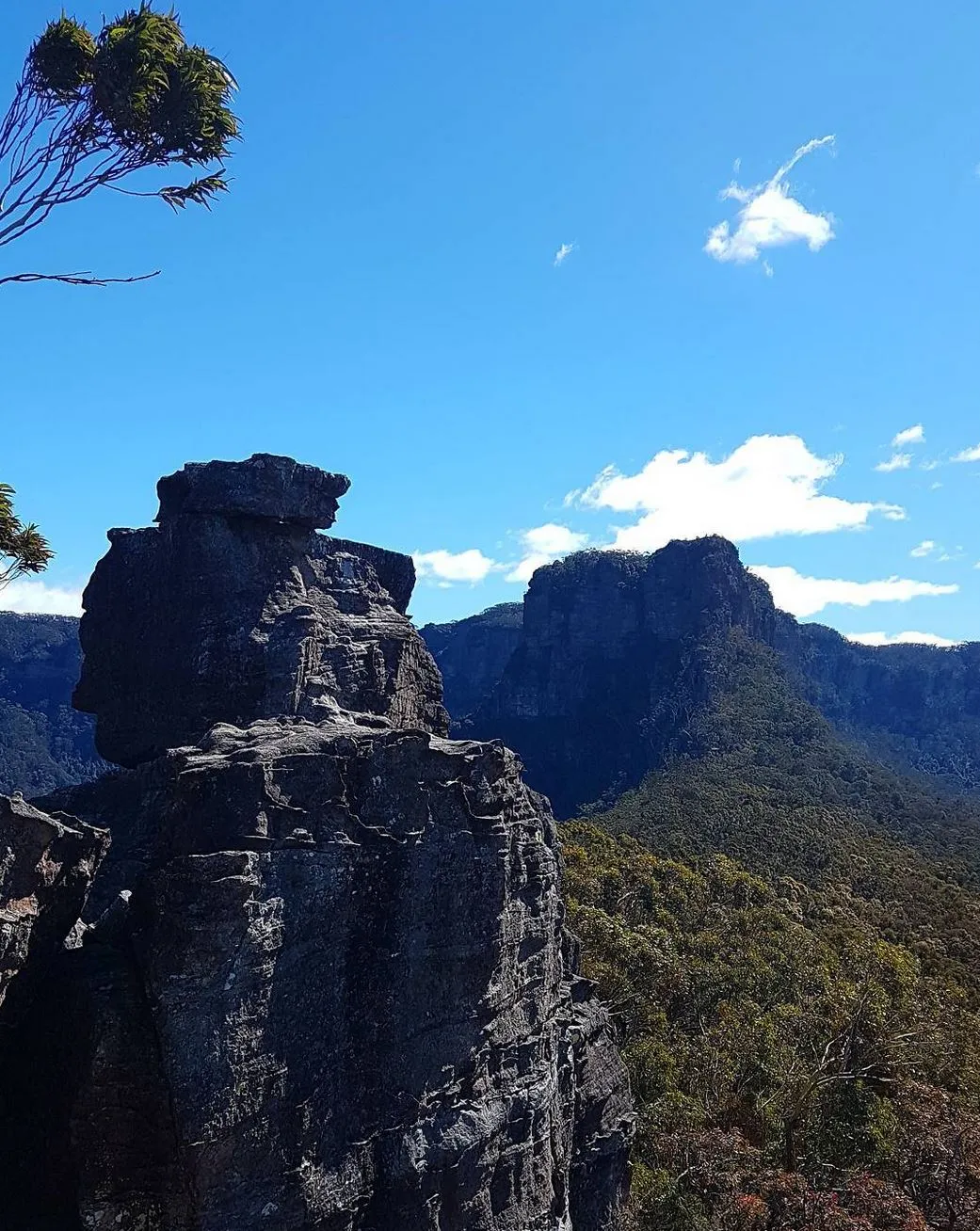
Every valley in this region has its own rhythm — sandstone cliffs, temperate rainforest pockets and birds you’ll hear long before you see them. These trails are not quite boring because they’re not boring, but because they ask you to work for the reward. If you’ve ever been on a Blue Mountains Tour, you’ll know that the best views are often the ones off the main circuit.
| Track | Distance | Time | Difficulty | Highlights |
|---|---|---|---|---|
| Lockleys Pylon Track | 7 km return | 2.5 hrs | Moderate | Grose Valley views, Mt Banks |
| Hanging Rock Track | 8 km return | 3 hrs | Moderate | Dramatic cliffs, no fences! |
| Lawson Waterfall Circuit | 3 km loop | 1 hr | Easy | Four small waterfalls |
| Ruined Castle Track | 8 km return | 4–5 hrs | Hard | Views over Jamison Valley |
| Mount Solitary via Golden Stairs | 18 km return | 7–8 hrs | Very Hard | Full-day challenge, remote bush track |
These numbers come from the NSW National Parks and Wildlife Service (2024). Visitor data shows less than 10% of Blue Mountains hikers venture beyond the Echo Point and Wentworth Falls areas — so these quieter trails remain quiet.
Lockleys Pylon Track — The Ridge With a View
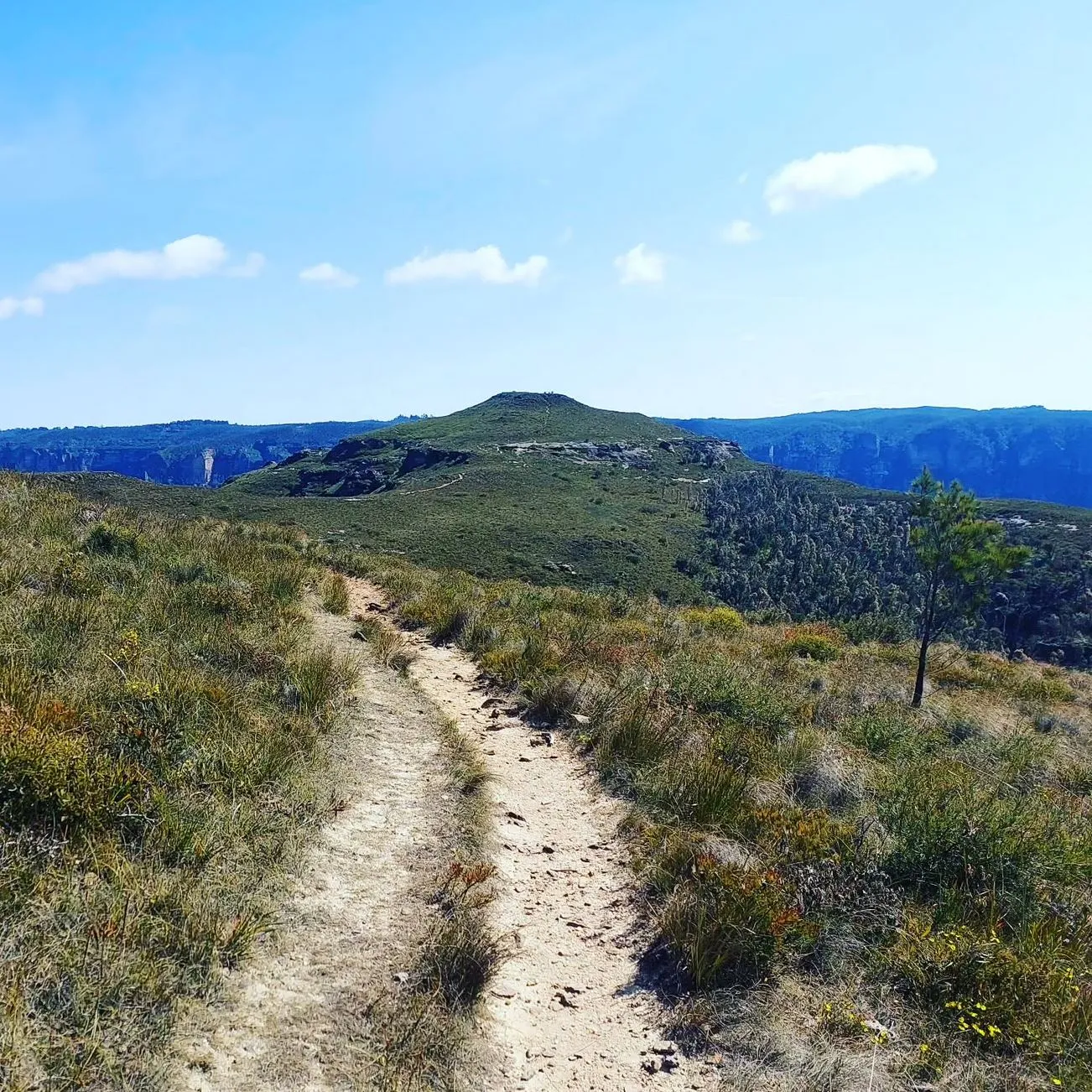
There’s something special about Lockleys. You start at a windswept ridge east of Mount Hay Road, and before long the sandstone spine drops away into the Grose Valley — no crowds, no cafes, just open sky and wind in the grass. The landscape shots from this ridge show how the earth’s crust folds into deep gorges that seem to go on forever.
The track is 3.5 km each way and tops out at the Pylon itself — a rocky outcrop with 360° views of Mount Banks and the distant Blue Gum Forest. Bring layers: the weather here changes faster than a Sydney barista’s attitude at rush hour. If you’re on a 1 Day Blue Mountains Tour, this is the sort of stop that gives you the best of both worlds — accessibility and wilderness.
Local tip: This track gets boggy after heavy rain. If you’re visiting mid-winter, start mid-morning to avoid the icy gusts. In summer, carry plenty of water — there’s none on the trail.
Hanging Rock Track — Where the Edge Really Means Edge
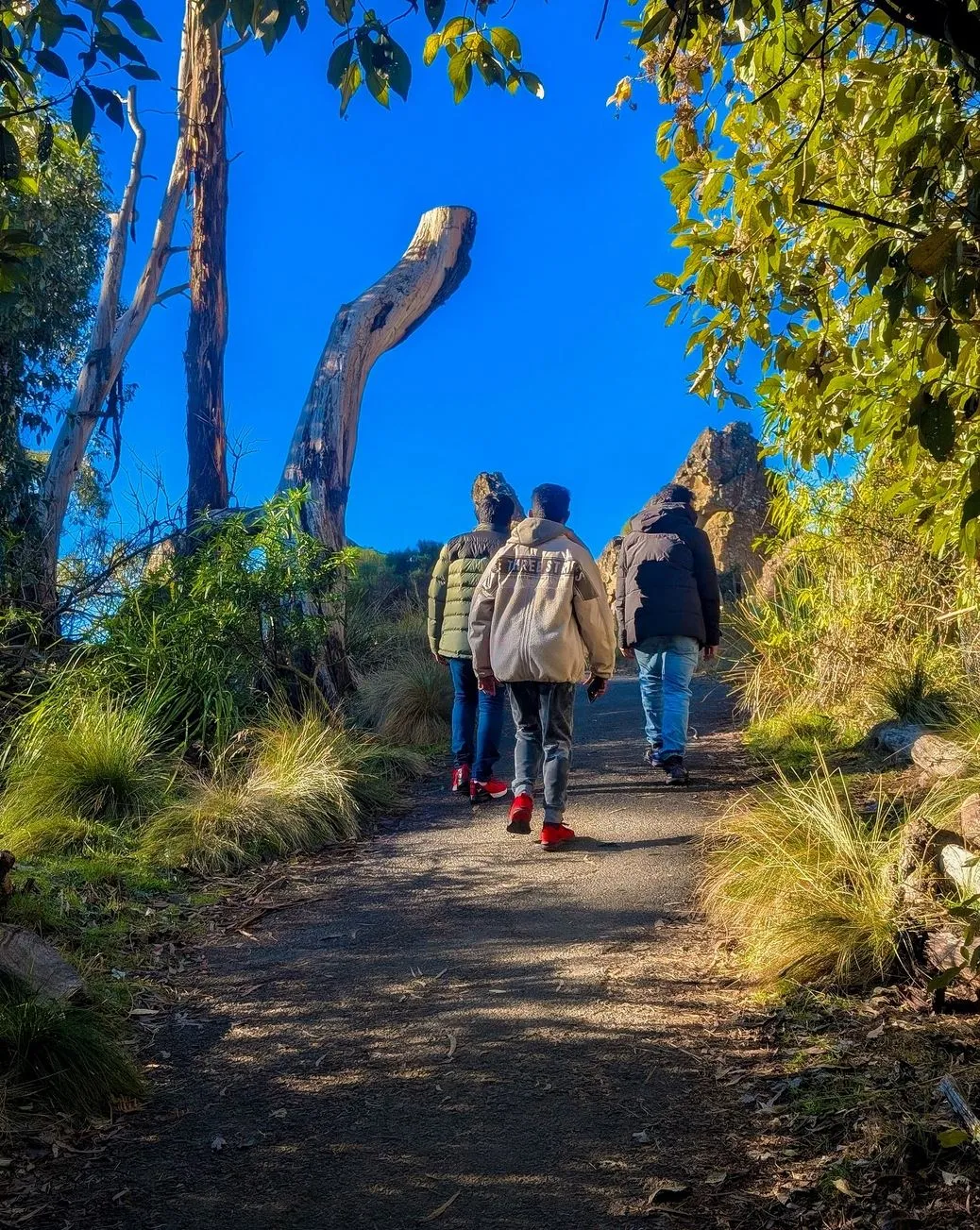
If heights make you wobbly, maybe skip this one. Hanging Rock sticks out from the Grose Valley escarpment like a stone diving board — and there’s no railing. The walk is easy, just a 4km fire trail from Baltzer, Lookout car park near Blackheath, but the last 20 metres are the kind that separate bushwalkers from thrill-seekers.
This rock formation is one of the Blue Mountains’ most dramatic — perfect for photographers chasing those golden hour landscape shots. I’ve seen photographers crawl the last bit on hands and knees while wedge-tailed eagles circle below. It’s one of those rare moments where the Blue Mountains feel like wilderness, even though you’re just 15 minutes from a flat white.
Safety note: Stay well back from the cliff edge — rock shelves can collapse. NSW Parks recommends keeping 2 metres from any unfenced cliff line.
Lawson Waterfall Circuit — A Short Walk With Big Rewards
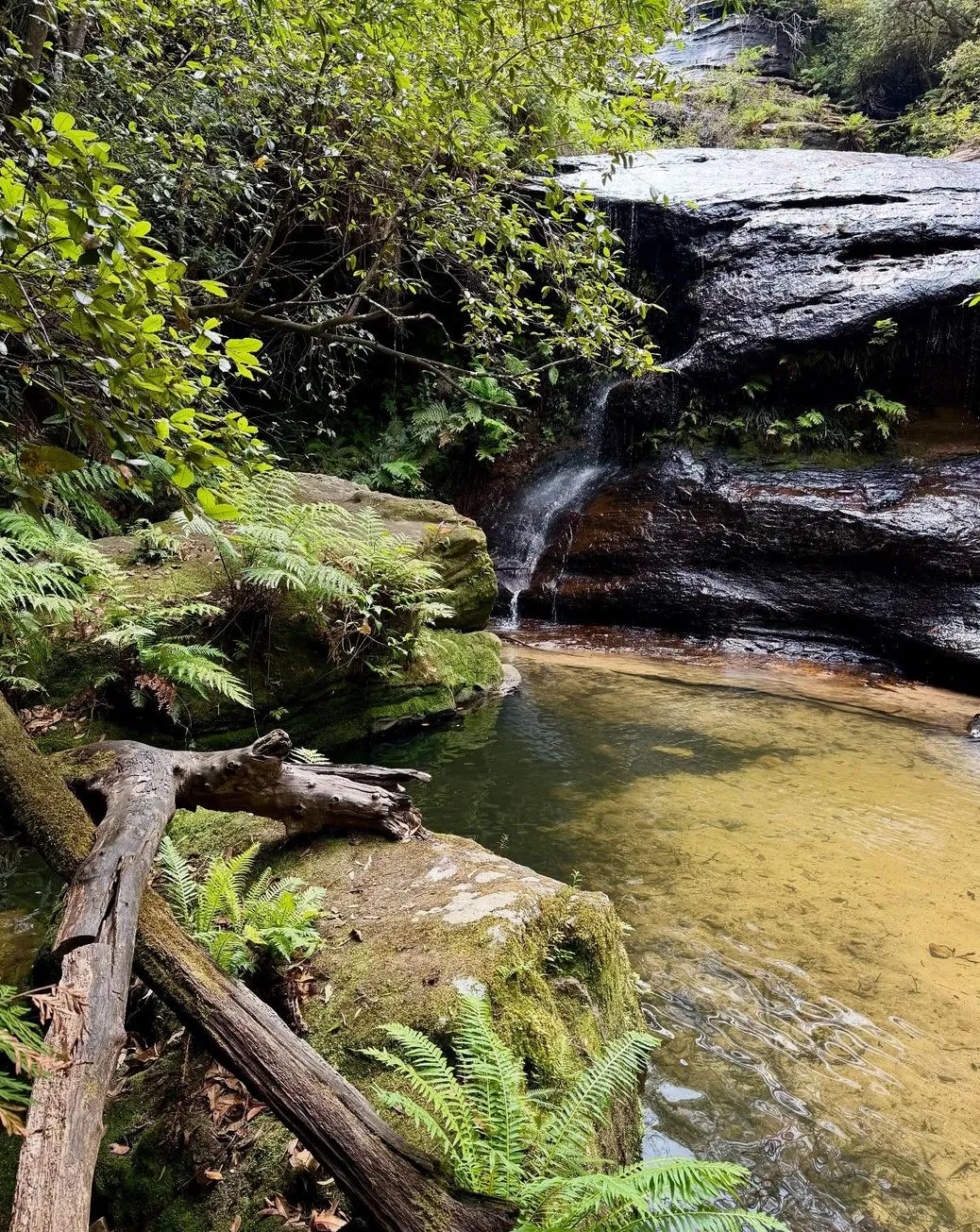
Lawson’s little loop proves you don’t need to trek all day to feel lost in the bush. The trail links four waterfalls — Adelina, Federal, Junction and Cataract — under tree ferns and coachwoods. It’s a family-friendly option, and the water runs year-round.
On hot days, locals bring lunch down to the rock pools. The moss can be slippery, so wear grippy soles. Even with a picnic crowd, it never feels like the packed boardwalks at Wentworth Falls. If you’re short on time, this circuit is an excellent option for a 1 Day Blue Mountains Tour.
Fun fact: These cascades were once picnic spots for 19th-century railway day trippers — a reminder that the Blue Mountains have always been a quick escape for city folk.
Ruined Castle Track — History, Fern Gullies and Long Views
You’ll earn this one. Starting from the Golden Stairs near Katoomba, the track drops steeply into the Jamison Valley, then winds through rainforest to an outcrop of weathered sandstone towers — the so-called “castle”. From the top, you get uninterrupted views of Mount Solitary and Narrow Neck Plateau.
When I first did it, the last scramble felt rough as guts, but the payoff was worth it. The rock formation looks like a collapsed fortress, all eroded turrets and lichen-covered ledges. It’s one of those places where you can eat a sandwich and feel like you’ve stepped into another century.
Track tip: Bring gaiters or long pants — leeches love the damp sections after rain. Travellers on a Blue Mountains Tour with time to spare can extend this walk and explore nearby mine relics along the route.
Mount Solitary via Golden Stairs
Mount Solitary isn’t for casual walkers. It’s a full-day affair with a 900m climb and a few false summits, but the sense of isolation once you hit the ridge is unbeatable. I tell people: if you can handle 18km of rocky up-and-down, this is the one that’ll stick with you.
Campers sometimes overnight near Chinamans Gully, but day walkers should start early — by 8 am at the latest — and carry at least 3 L of water per person. There’s no reception down there and no dunnies.
Reality check: In summer it’s bloody hot, and in winter frost lingers till midday. If that sounds miserable, it probably will be — pick your season.
Accessible Lookout Points Worth a Detour
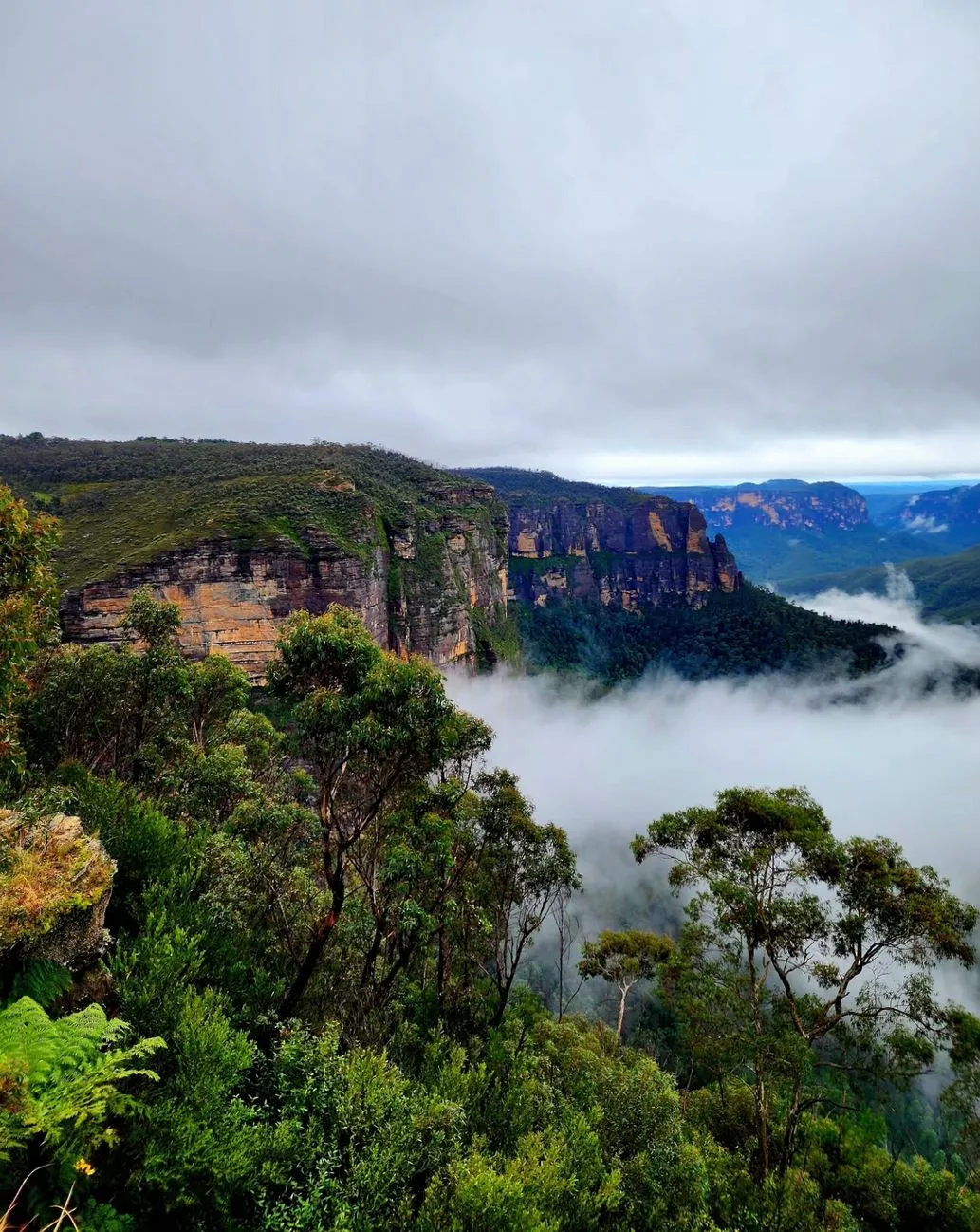
If your knees are less enthusiastic about big climbs, there are a few accessible lookout points that still deliver the full grandeur. Govetts Leap Lookout in Blackheath and Cahill’s Lookout in Katoomba are paved and suitable for most visitors. From both, you’ll see how the sandstone cliffs and deep valleys have been sculpted by millions of years of erosion — nature’s slow hand shaping the earth’s crust.
Art galleries around Katoomba and Leura also capture these landscapes beautifully, often for technical purposes such as geological study or artistic interpretation. Stop in to support local artists — they know how to read the light in this country better than any camera app.
Planning a Quieter Hike
Getting away from the tour-bus circuit takes a bit of planning. Here’s a checklist to help you prepare properly:
Track Essentials:
- NSW Topographic Map or AllTrails offline maps
- 2L water per person (3L for long hikes)
- Sunscreen, hat, first-aid kit, and emergency blanket
- Snacks — the climbs will burn through them
- Proper footwear (trail runners for short walks; boots for Solitary)
Before You Go:
- Check NSW National Parks alerts for closures — fire and storm damage are common
- Sign the walkers’ logbook if one’s available
- Tell someone where you’re heading
- Carry a small torch even for half-day walks
Weather Reality:
According to the Bureau of Meteorology, the upper Blue Mountains get 1,050mm of rain per year, with July the driest and February the wettest (2023 data). So in wet months, leeches love it and creeks rise fast — but the waterfalls are at their best.
Respect Country and the Land Beneath Your Boots
The Blue Mountains sit on Dharug, Gundungurra and Wiradjuri Country — a landscape layered with songlines, sacred sites and deep time. Before any of us came along with walking poles and daypacks, these ridges were pathways connecting communities and stories.
When I take a group through here with Get Lost Travel Group, we follow local guidance — stick to marked trails, avoid touching rock art and take only photos. Respect isn’t a brochure term; it’s a way of walking.
If you want to learn more, the Blue Mountains Cultural Centre in Katoomba runs talks and exhibitions from Traditional Owners that bring those stories to life.
Keep Your Visit Low-Impact
Tourism Australia’s 2023 visitor data shows over 4.4 million people visited the Blue Mountains region, up nearly 15% from pre-pandemic levels. Yet most of that traffic stays within five main sites. That’s good news for these quieter tracks — and also a reminder that if we want them to stay peaceful, we’ve got to tread lightly.
Here’s how to help keep them wild:
- Pack out everything you bring — even fruit peels
- Stay on track — shortcutting erodes fragile soils
- Use existing campsites where possible
- Skip loud music — birdsong’s the real soundtrack out here
The Lowdown
I’ve never been one to say that the Blue Mountains are all about ticking off a list of lookouts – no; they’re about space, silence, and that magical crunch of gravel underfoot when it’s just you, the wind, and the bush. Those less-well-known walks from Lockleys Pylon to Solitary still have that thrill of old-school adventure written all over them.
So pack sensibly, take care of the land, and don’t leave a single scrap behind – just a few scuffs from your boots should be enough. And if you want to hike with some like-minded folk, my crew and I at Get Lost Travel Group run small guided hikes through some of the hidden gems you won’t find on the main tourist trail – where the only crowds you might run into are a few noisy cockatoos. You can even book a 1 Day Blue Mountains Tour with us and experience all the highlights without the hassle and worry.
Got your own go-to Blue Mountains walk that I should know about? Share it in the comments – I’m constantly updating my notes and looking to get out and explore more.
Note: We use cookies and other online tools to ensure this website runs smoothly and to enhance your reading experience. By continuing, you’re acknowledging our notice and can close it if you’re happy for us to use third-party analytics tools.
FAQ
Do I need a special permit to walk these trails?
Most of the tracks I’ve mentioned fall within the Blue Mountains National Park and don’t need a permit for day walks. However, if you’re planning to camp out (like at Mount Solitary), you’ll need to book through the NSW National Parks website.
Can I bring the dog along?
Sorry – dogs aren’t allowed in NSW National Parks. If you do need to walk with a furry friend, the best bet is to stick to council-managed spots like the Lapstone Zig Zag Track.
When is the best time to head out for a walk?
Spring and autumn are the pick – you get fewer crowds, milder weather, and the risk of fires is way lower. Summer brings snakes and heat; winter can get pretty cold, but it still looks stunning for a photography trip.
How busy are the walks on weekends?
Even the quieter ones get a few locals out on weekends. Try to get out before 9 in the morning or visit mid-week for some proper quiet time.
Most of the tracks have decent signage, but the fog can roll in quickly. A map app with GPS works a treat offline – just make sure to download that region before you head out.