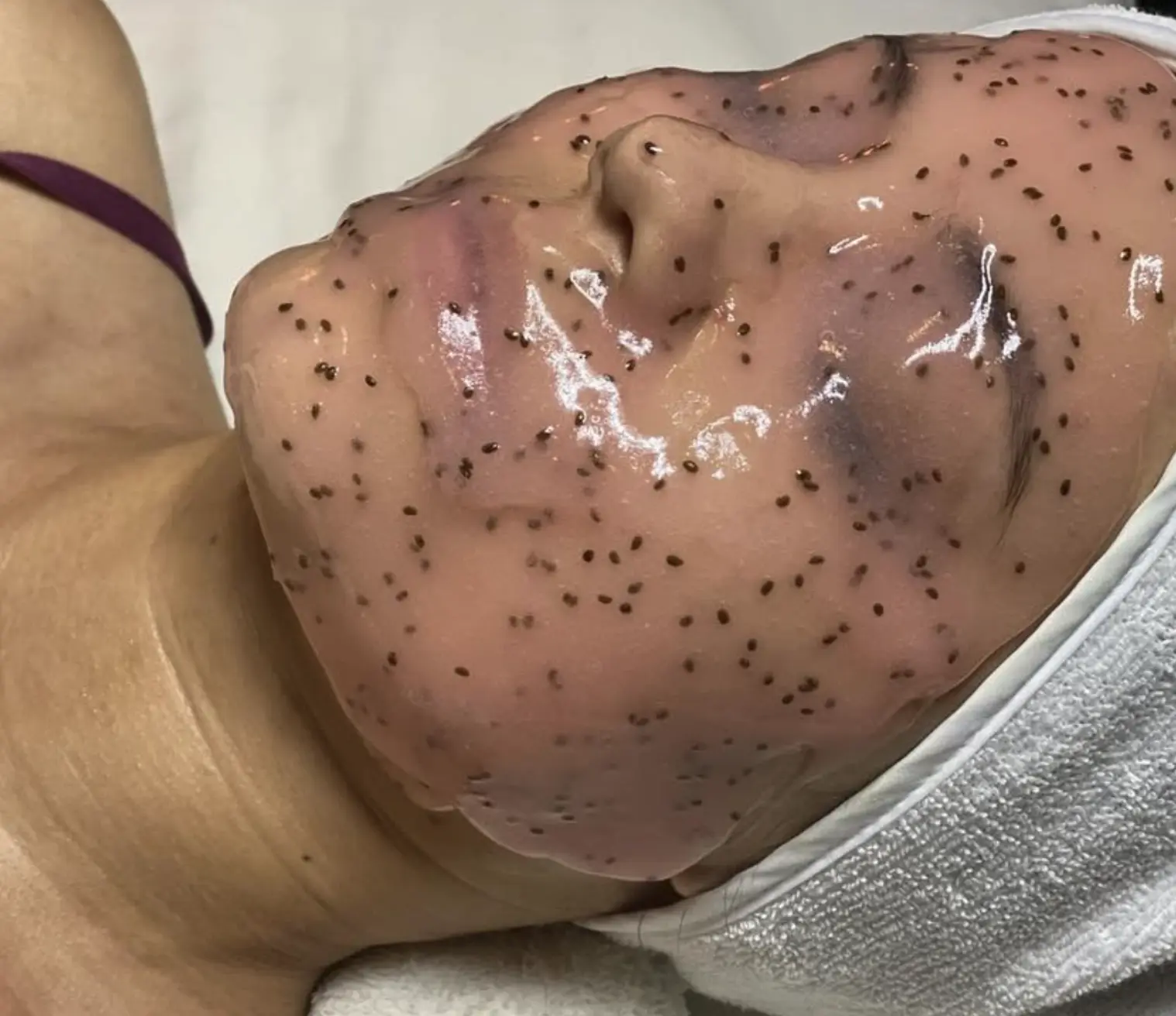
“What helps with redness and rosacea-like flushing (and what should I avoid)?” is one of the most common questions I get asked in the treatment room – usually from someone trying to tame an infuriating skin condition that seems to be driven by mood swings and is just plain hard to keep under control. If you’ve ever had to deal with persistent red-faced moments, visible blue-ish veins or just general sensitivity that can flare up out of the blue, you’re not alone.
I’m Sevine Forster, the founder of The Facial Hub in Brisbane, and I’ve worked with heaps of clients who’ve been dealing with this stuff – from mild but persistent redness to more complicated cases where it’s inflamed big time. The key here is realising that this is a long-term inflammatory skin condition – not something you can just sort of scrub away.
Let’s get down to brass tacks and talk about what actually helps, what quietly makes it worse in the long run, and most importantly, how to support your skin over the long haul.
Contents
- 1 What’s Really Happening Beneath The Surface
- 2 The Ingredients And Treatments That Truly Support Skin
- 3 Professional Treatment Options
- 4 Everyday Habits That Quietly Make Things Worse
- 5 A Routine That Builds Strength Instead Of Sensitivity
- 6 What Progress Looks Like Week By Week
- 7 What’s Changing In Skincare Right Now
- 8 Professional Treatments: When To Seek Help
- 9 What I’ve Learned From Real Clients
- 10 FAQ
What’s Really Happening Beneath The Surface
Before we start treating the redness, we need to get a handle on what’s driving it. Flushing and sensitivity are all about your immune system going haywire and your blood vessels being pretty leaky, which means they dilate all too easily, leaving you with a lovely red glow.
In Brisbane, a few common triggers for the redness include
- Strong UVA rays and UVB rays
- Heat and humidity
- Overuse of active chemical compounds in skincare
- Hormonal shifts and hormonal changes
And then there’s the research that suggests this condition is also linked to stuff like your gut health, oxidative stress and systemic inflammation – so often your skin is just reflecting the state of your inside a bit.
Research suggests around 5% of the global population experience rosacea-type symptoms, although loads of cases get missed – especially early on, when it’s just your face flushing a bit.
The Ingredients And Treatments That Truly Support Skin
When it comes to treatment, we focus on calming inflammation, strengthening the barrier, and supporting the skin’s natural resilience.
Key ingredients and topical support:
| Ingredient | What It Does | Best For |
|---|---|---|
| Azelaic acid | Anti-inflammatory, reduces redness and breakouts | Rosacea-prone skin |
| Niacinamide | Strengthens the barrier, reduces flushing | Sensitive skin |
| Topical ivermectin | Targets inflammatory pathways | Papulopustular rosacea |
| Hyaluronic acid | Hydrates without irritation | Dehydrated skin |
| Green tea extracts | Antioxidant, reduces oxidative stress | Reactive skin |
These are commonly used in topical creams and topical medications prescribed or recommended in the clinic.
Professional Treatment Options
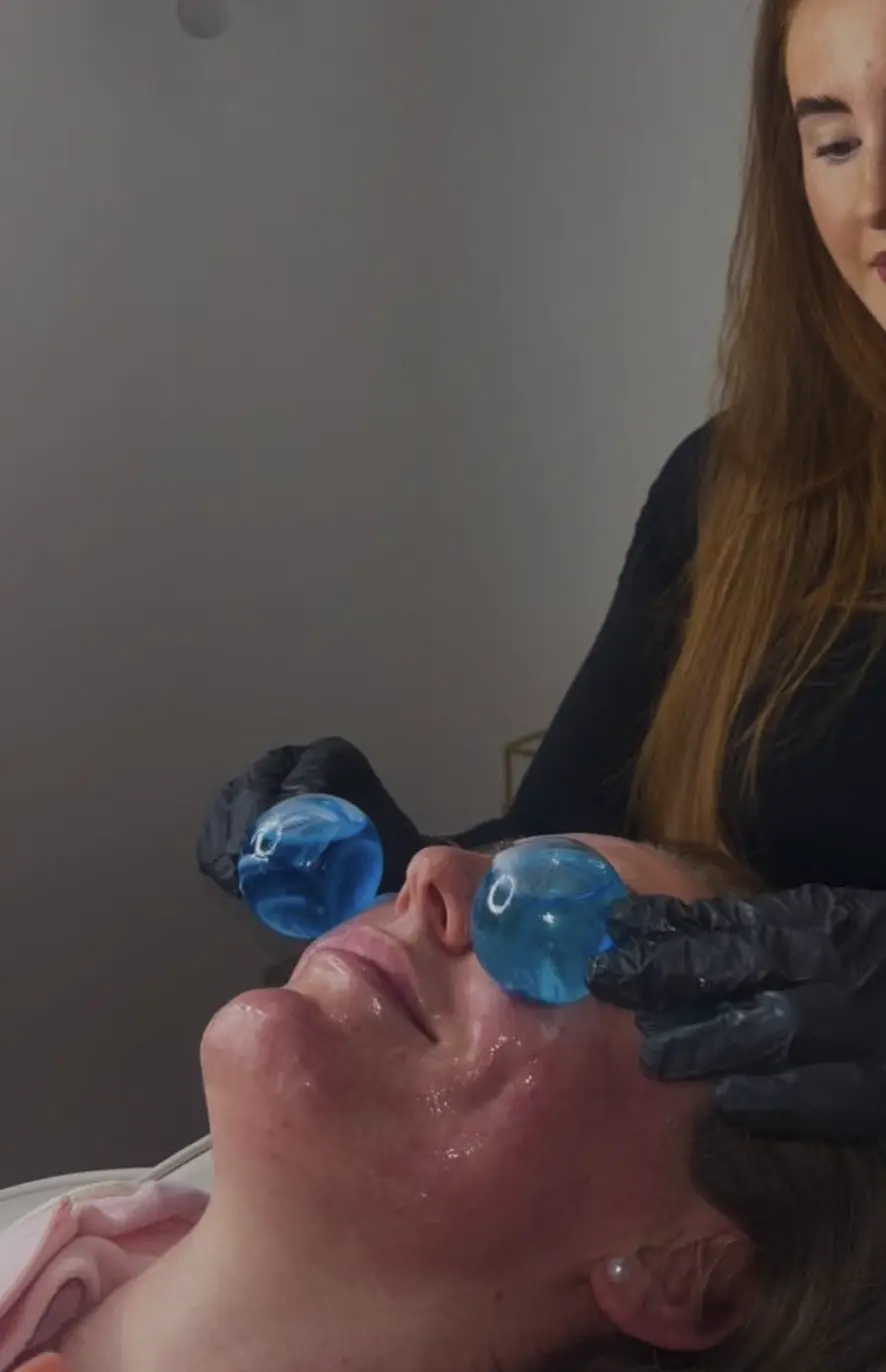
Depending on severity, I may recommend:
- A laser treatment, which can be incredibly helpful
- Intense pulsed light (IPL) – often used to target specific skin concerns
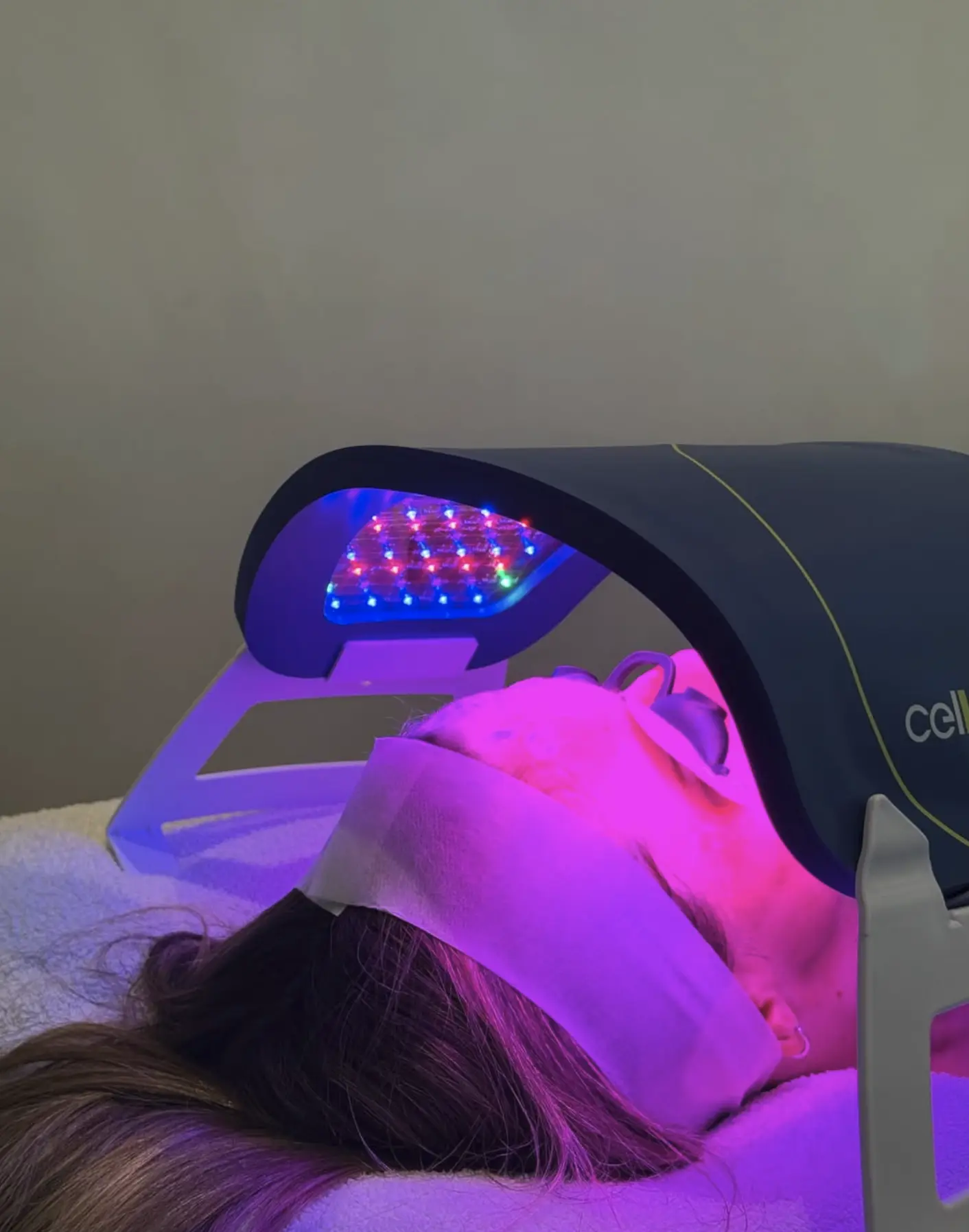
- Gentle LED therapy to help reduce inflammation in the skin
For a few of my clients, treatment with a laser becomes a long-term option – but only when the skin has had a chance to stabilise.
A quick note: treatments like chemical peels, light peels or microdermabrasion can be beneficial – if they are chosen carefully – however, I’ve found that aggressive resurfacing often ends up making rosacea worse.
Everyday Habits That Quietly Make Things Worse
Most of the flare-ups that I see aren’t caused by one big mistake – more often than not, they’re down to small, repeated triggers, which can be really overwhelming for the skin over time.
Some of the most common patterns that keep popping up for me include overdoing active skincare products, exposing the skin to excessive heat, or skipping proper recovery time between treatments. And then, of course, there’s the issue of stress, which is why I always talk to clients about managing their stress levels, alongside taking care of their skin.
There’s also a lot of confusion out there about what procedures really work, especially when people see advanced treatments advertised without understanding whether you can start a mobile tattoo removal business safely and within the right professional requirements. I’ve had clients ask about getting laser tattoo removal to help reduce redness, which isn’t actually designed for that purpose, or they’re considering some pretty aggressive resurfacing or even surgical procedures too early on in their journey.
One of the biggest shifts you can make is actually pretty simple: stop treating your skin like it’s something you’re trying to fix, and start thinking of it like it’s something you want to support.
A Routine That Builds Strength Instead Of Sensitivity
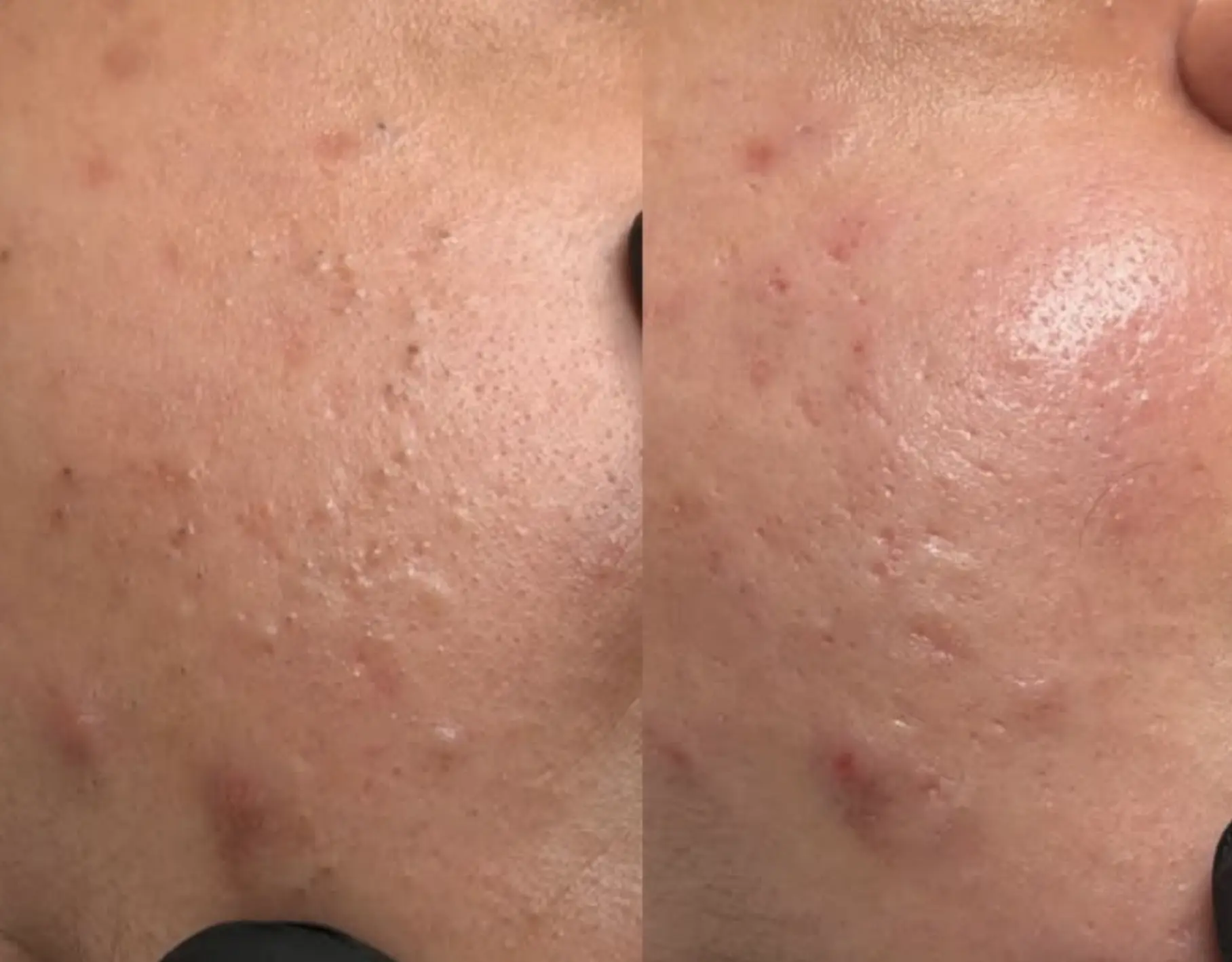
A calm, consistent routine will always win out over trying to do a million different things at once.
Morning:
- Gentle facial cleansing
- Hydrating serum (niacinamide or hyaluronic acid)
- Moisturiser with barrier support
- SPF sunscreen using zinc oxide or titanium dioxide for sensitive skin
Evening:
- Gentle cleanse
- Treatment (such as azelaic acid or prescribed topical creams)
- Nourishing moisturiser
Brisbane insight:
Living in a place with high UV exposure, like Brisbane, means skin protection is just as important in January as in July. So don’t even think about skipping that daily SPF – it’s non-negotiable, not just for rosacea, but for long-term risks like skin cancer too.
What Progress Looks Like Week By Week
Managing rosacea is about consistency, not quick fixes.
| Stage | What You’ll Notice | Timeframe |
|---|---|---|
| Week 1–2 | Less irritation, improved hydration | Early barrier repair |
| Week 3–4 | Reduced visible redness | Stabilisation |
| Week 6–8 | Improved skin tone and tolerance | Long-term improvement |
In more advanced cases, such as phymatous rosacea, the timeline is longer and may require a medical referral.
What’s Changing In Skincare Right Now
The skincare industry is finally starting to break free from harsh, aggressive treatments, with more people looking into non-surgical options for a sagging neck after rapid weight loss rather than jumping straight into invasive procedures.
Worth Paying Attention To:
- Many products now focus on protecting and maintaining the skin barrier.
- A whole lot of new products are supporting healthy gut bacteria – and research is showing the gut microbiome really does have a huge impact on our skin.
- Anti-inflammatory ingredients have become super popular, and that’s a good thing.
Approach With Caution:
- Be careful not to overdo the activities – too many can be as bad as too few.
- Those dodgy DIY hacks are often a recipe for disaster.
- Using exfoliants the wrong way can cause just as many problems as leaving them out altogether.
Sensitive skin is on the rise worldwide, a clear sign that people are adopting a gentler approach to their skincare.

Professional Treatments: When To Seek Help
If your skin’s pretty persistently red and getting worse, get yourself to see a professional rather than just winging it and guessing.
When I’m assessing in clinic, I take a close look at:
- How healthy the skin barrier is
- What might be triggering the redness
- What products are you using and how they’re performing
- Your family history and lifestyle help to get a full picture
Treatment plans might include:
- Laser therapy that’s been specifically tailored for your needs
- Prescription topical creams to help calm things down
- Facials that are designed to repair and protect the skin barrier
In some cases, we may introduce very gentle, modified forms of facial microdermabrasion, but only once the skin is stable and able to tolerate controlled exfoliation. For therapists wanting to understand safe exfoliation techniques, dermaplaning certification classes near me can be a useful next step.
We have super tight hygiene protocols in place: clean equipment, patch testing, and a tailored approach that accounts for each client’s skin sensitivity.
What I’ve Learned From Real Clients
The moment of truth is usually the same – people stop trying to fight their skin’s problems head-on and start supporting it instead.
One client had chronic redness that was initially thought to be acne, but it wasn’t until we ditched all the harsh actives and started focusing on calming treatments that they finally started to see some improvement.
It’s not about doing more – it’s about doing the right thing for your skin.
FAQ
How do I know what type of redness I have?
There are loads of different patterns – persistent redness, visible capillaries, and inflamed breakouts are just a few examples. A professional consultation is the best way to figure out what you’ve got and how to tackle it.
Can light-based treatments reduce visible veins?
The answer’s yes – options like pulsed dye laser and intense pulsed light can knock them right back down, though you might need to go back for maintenance a few times.
Are natural ingredients always safer?
Not necessarily – some natural ingredients can cause just as much irritation as synthetic stuff. Green tea extracts, for example, can be great at calming, but others can do more harm than good.
Do daily habits really affect flare-ups?
Absolutely, they do – changing your lifestyle and avoiding your triggers can have a huge impact on how your skin behaves.
Can this condition overlap with other skin concerns?
Yes – it can show up with conditions like sensitivity or keratosis pilaris, and each one needs a tailored approach.